Maintaining clean and organised surroundings requires an effective waste disposal system. Whether in offices, schools, commercial buildings, warehouses or industrial facilities, suitable waste containers help keep unwanted materials in designated areas and make routine cleaning easier.
Choosing the right bin involves more than considering its size or appearance. Capacity, material, lid design, mobility and intended waste type all influence its suitability. Businesses and facility managers in the Philippines should consider these factors when selecting containers for everyday waste collection and recycling.
Why Are Garbage Bins Important?
Waste containers play an important role in maintaining cleanliness and supporting organised waste management. When positioned correctly, they provide convenient disposal points and help prevent rubbish from accumulating in shared spaces.
Some important benefits include:
- Improved hygiene: Covered containers help contain waste and reduce exposure to unpleasant odours and pests.
- Organised workspaces: Designated disposal points help keep offices, production areas and public spaces tidy.
- Waste segregation: Separate containers make it easier to distinguish general waste from recyclable materials.
- Efficient cleaning: Appropriate capacity and accessible designs simplify collection and replacement of waste liners.
- Workplace safety: Properly positioned bins help prevent discarded materials from accumulating in walkways and work areas.
An organised waste disposal system also makes routine facility maintenance more manageable.
Different Types of Garbage Bins
Waste containers are available in several designs to accommodate different environments and disposal requirements.
1. Indoor Waste Bins
Indoor bins are commonly used in offices, kitchens, meeting rooms, classrooms and reception areas. They are available in compact sizes and different finishes to suit the surrounding environment.
Open-top, swing-lid and pedal-operated models are common choices. The appropriate design depends on the location, waste volume and hygiene requirements.
2. Outdoor Waste Bins
Outdoor containers are designed for external areas such as building entrances, parking facilities, gardens and public spaces.
They may feature weather-resistant materials, secure lids and larger capacities. A suitable design can help protect collected waste from rain and reduce the likelihood of litter spreading.
3. Pedal Bins
Pedal-operated bins allow users to open the lid without touching it directly. This feature can be useful in kitchens, washrooms and other locations where hands-free disposal is preferred.
They are available in different capacities and materials, including plastic and stainless steel.
4. Recycling Bins
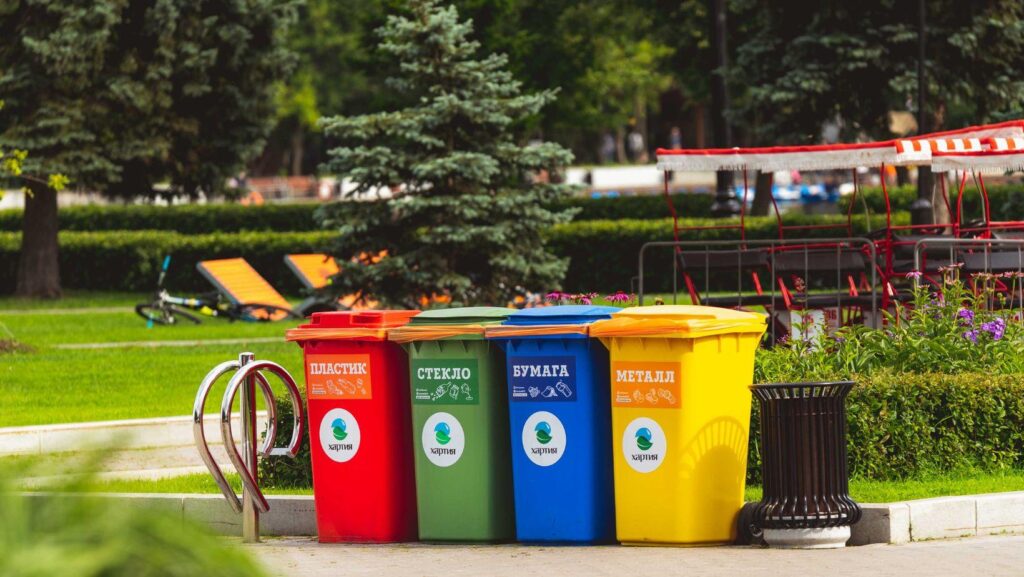
Recycling containers are used to separate materials such as paper, plastic, glass and metal, depending on the facility’s waste management arrangements.
Colour-coded bins and clear labels can help employees and visitors identify the correct disposal point. Separate containers are particularly useful in offices, educational institutions and commercial buildings.
5. Industrial Waste Bins
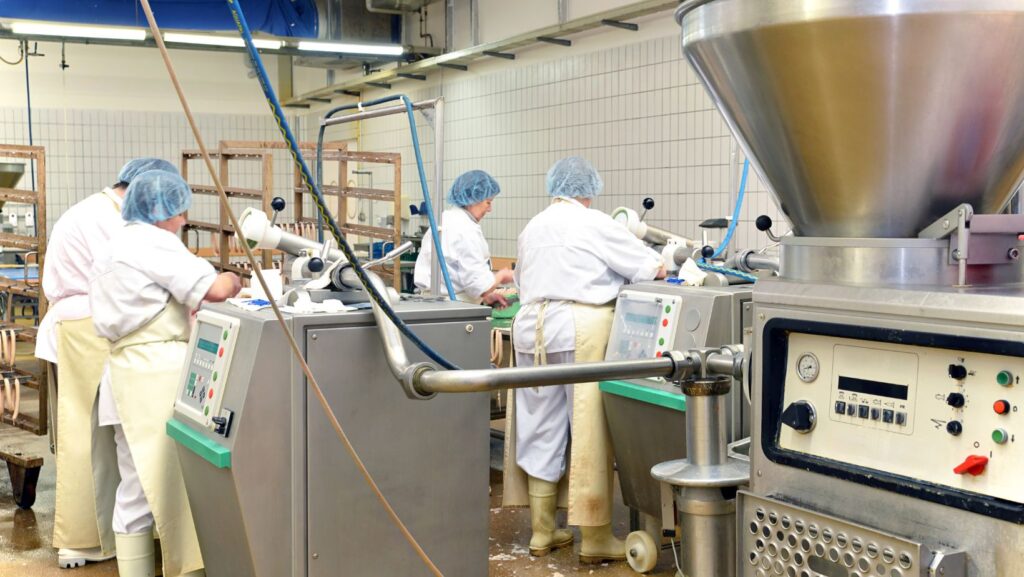
Industrial environments often generate larger quantities of packaging, production waste and general rubbish. Heavy-duty containers with larger capacities are therefore useful in factories, warehouses and maintenance facilities.
Some models include wheels and handles to make movement easier during waste collection.
Common Materials Used in Waste Containers
The material of a waste container affects its weight, durability, cleaning requirements and suitability for different environments.
Plastic: Plastic bins are lightweight, easy to handle and available in numerous sizes and colours. Polypropylene and polyethylene are commonly used materials. Their resistance to moisture makes them suitable for many indoor and outdoor applications.
Stainless Steel: Stainless steel bins offer a durable construction and a professional appearance. They are frequently used in offices, kitchens, reception areas and commercial facilities. Their surfaces can generally be wiped clean with suitable cleaning products.
Mild Steel: Steel containers can provide a sturdy option for demanding environments. Protective coatings may be used to improve resistance to corrosion, depending on the product design and intended application.
Heavy-Duty Polymer: Some industrial containers use robust polymer materials designed for demanding waste collection requirements. Their suitability depends on the manufacturer’s specifications and the type of waste being handled.
How to Choose the Right Garbage Bin
Selecting a suitable container requires understanding how and where it will be used. The following considerations can help facility managers and purchasing teams make an informed decision.
1. Determine the Required Capacity
Capacity should match the amount of waste generated and how frequently the bin will be emptied. Small containers may be suitable for individual workstations, while larger facilities may need high-capacity models.
2. Consider the Lid Design
Different lid configurations serve different purposes:
3. Check Mobility Requirements
Large waste containers can become difficult to move when filled. Models with wheels and handles may be more practical for warehouses, factories and large commercial facilities.
4. Review Cleaning Requirements
Choose containers with surfaces that are easy to clean and maintain. Removable liners, accessible interiors and compatible lids can simplify regular maintenance.
5. Consider Waste Segregation
If a facility separates recyclable materials from general waste, use clearly labelled containers for each category. The colour scheme should follow the organisation’s waste management procedures and applicable local requirements.
6. Evaluate Available Space
Measure the intended installation area before purchasing. Ensure that the selected container does not obstruct walkways, access routes or emergency exits.
Garbage Bin Applications Across Different Industries
Different workplaces have different waste disposal requirements.
- Offices: Compact containers and recycling stations help manage paper, packaging and everyday rubbish.
- Schools: Clearly labelled bins encourage organised disposal and recycling practices among students and staff.
- Restaurants and kitchens: Suitable covered and easy-to-clean containers help manage food-related waste.
- Warehouses: Larger containers accommodate packaging materials and general operational waste.
- Manufacturing facilities: Heavy-duty bins support waste collection in production and maintenance areas.
- Retail establishments: Public-facing bins help maintain cleanliness in customer areas, while larger containers support back-of-house operations.
Selecting containers according to the location and waste stream helps create a more practical facility management system.
Finding Suitable Waste Containers in the Philippines
Businesses looking for a reliable garbage bin should compare capacity, construction material, lid configuration and product dimensions before making a purchase.
RS Philippines offers a selection of waste bins and recycling bins from manufacturers such as RS PRO, Rubbermaid Commercial Products, Robert Scott, Justrite and Durable. The catalogue includes compact pedal bins, plastic waste containers, larger industrial bins and recycling solutions.
Available options include different capacities and configurations, allowing purchasing teams to compare products for offices, commercial facilities and industrial environments. Buyers can also review product specifications, stock availability and pricing through the online catalogue.
Maintaining Clean and Organised Waste Disposal Areas
Buying suitable containers is only one part of effective waste management. Regular emptying, cleaning and inspection are equally important.
Replace liners when necessary, clean the containers according to the manufacturer’s recommendations and check lids, handles and wheels for damage. Clearly visible labels can also help users dispose of materials correctly.
For organisations managing multiple locations, standardising container types and disposal procedures can make maintenance more consistent.
Conclusion
Waste containers are essential for maintaining clean, organised and functional workplaces. From compact indoor models to heavy-duty industrial containers, the right selection depends on waste volume, location, material requirements and disposal practices.
When comparing a garbage bin, businesses should consider long-term durability, ease of cleaning, appropriate capacity and suitability for the intended waste stream. Exploring the range available from RS Philippines can help facility managers and purchasing teams identify practical waste collection solutions for their operational needs.