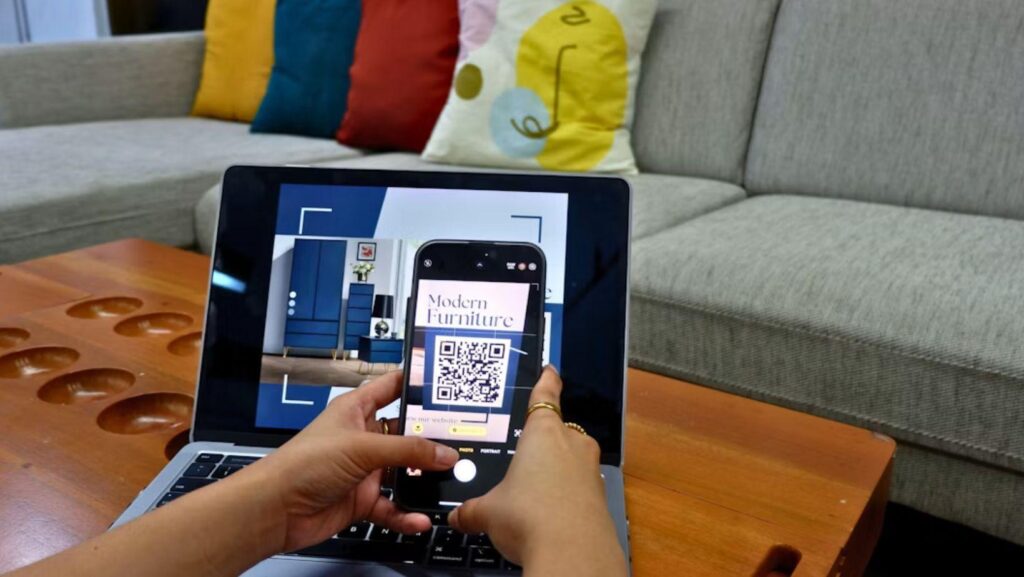
A well-designed QR code can become part of a visual concept instead of looking like a technical element added at the last moment. When planning QR code integration across invitations, packaging, menus, posters, or personal projects, a reusable template can keep the design consistent while leaving room for different destinations. The strongest templates balance visual identity with reliable scanning.
What Makes a QR Code Template Effective?
An effective template starts with function. A QR code generator may offer colors, frames, logos, and different module shapes, but customization should never make the code difficult for a phone camera to recognize.
Contrast is particularly important. Dark modules on a light background remain the safest choice, while decorative elements should leave the positioning markers clear.
A good template should also account for where the code will appear. A design that scans easily on a business card may need larger dimensions and a simpler visual treatment on packaging, signage, or an event poster viewed from a greater distance.
The surrounding text matters as well. A short call to action, such as “View event details” or “Open product guide,” tells users what to expect after scanning and makes the code feel like a purposeful part of the layout.
QR Code Templates for Events and Invitations
Event materials often need several digital destinations without looking visually fragmented. One template can be adapted for registration pages, venue maps, speaker profiles, photo galleries, or post-event feedback.
For formal invitations, the design can echo typography or colors already used on the card. A subtle QR code maker treatment is usually more effective than a heavily decorated code competing with the invitation itself.
For multi-stage events, organizers can also assign different codes to different moments in the guest’s journey. An invitation might lead to RSVP details before the event, while signage at the venue can point to the live program, seating information, or shared media after arrival.
QR Codes for Retail and Product Packaging
Packaging provides limited space, so templates can help brands distinguish different functions. One frame might indicate product instructions, while another signals warranty registration or additional product information.
A dynamic QR generator is especially useful for packaging that remains in circulation for a long time. The destination can change while the printed design stays the same.
QR Codes for Marketing Materials
Posters, brochures, displays, and direct mail need codes that remain recognizable at different viewing distances. The accompanying call to action should also explain what the scan provides.
Campaign templates can be organized around purpose rather than simply a visual style:
- product launches can use a bold frame linked to demonstrations or early-access pages;
- event promotions can reserve space for registration or program details;
- printed advertisements can connect readers with campaign-specific landing pages;
- loyalty materials can use a consistent branded code across several customer touchpoints.
This approach makes the code easier to understand before anyone scans it. It also gives designers a repeatable system instead of creating a new visual treatment for every campaign.
QR Codes for Restaurants and Hospitality
Restaurants can use templates to distinguish digital menus, booking pages, Wi-Fi access, feedback forms, and local recommendations. Consistent styling is useful when codes appear across table cards, menus, room materials, or reception areas.
A QR code creator can also help hospitality brands align the code with existing visual standards. However, clarity should remain more important than decorative detail.
QR Codes for Personal Projects
Templates are equally useful outside commercial campaigns. Invitations, photo books, handmade gifts, travel journals, and hobby projects can all connect physical objects with digital content.
A personal project usually needs less management than a business campaign, but the same design principle applies: the code should look intentional and make its purpose obvious.
Comparing QR Code Design and Template Options
Different projects require different levels of customization. A simple comparison can help determine how much design control is actually useful.
|
Project |
Template priority |
Useful feature |
|
event invitation |
visual consistency |
custom frame |
|
packaging |
long-term usability |
dynamic destination |
|
poster |
visibility |
strong contrast |
|
restaurant menu |
brand alignment |
logo and colors |
|
personal gift |
creative presentation |
custom styling |
The best template is not necessarily the most decorative one. It is the version that fits the material, remains easy to scan, and can be reused without extensive redesign.
ME-QR
For design-heavy projects, ME-QR combines QR creation with branding options such as logos, custom colors, and domains, which can help teams keep codes consistent across different physical materials. The platform also supports dynamic destinations, making the same visual template reusable when linked content needs to change after printing.
This is particularly relevant for campaigns that use one visual system across packaging, events, printed advertising, or hospitality materials. Templates become more valuable when design and content management can be handled separately.
Other QR Code Platforms
Other platforms may emphasize basic generation, ready-made visual presets, or simple static codes. A lightweight tool can be enough when the destination will never change and no analytics or centralized management is required.
More advanced services usually add dynamic editing, team controls, analytics, or automation. The choice should depend on the project lifecycle rather than on the number of template styles available.
Tips for Creating Scannable Custom QR Codes
Good design should survive real-world use. Before printing, test the code on several phones, at the expected scanning distance, and under realistic lighting.
Avoid low contrast, crowded backgrounds, overly small dimensions, and decorative elements that interfere with the finder patterns. Leaving clear space around the code also helps cameras recognize it quickly.
A custom template should therefore be judged twice: first as part of the design and then as a functional digital touchpoint. If both tests succeed, it can be reused confidently in future materials.
FAQ
Can QR code templates be reused for different destinations?
Yes. With dynamic codes, the design can remain unchanged while the linked destination is updated.
Is adding a logo safe for scanning?
Usually, if the logo does not cover essential code elements, the finished design is tested before publication.
What matters most when customizing a QR code?
Strong contrast, adequate size, clear surrounding space, and reliable testing matter more than decorative complexity.