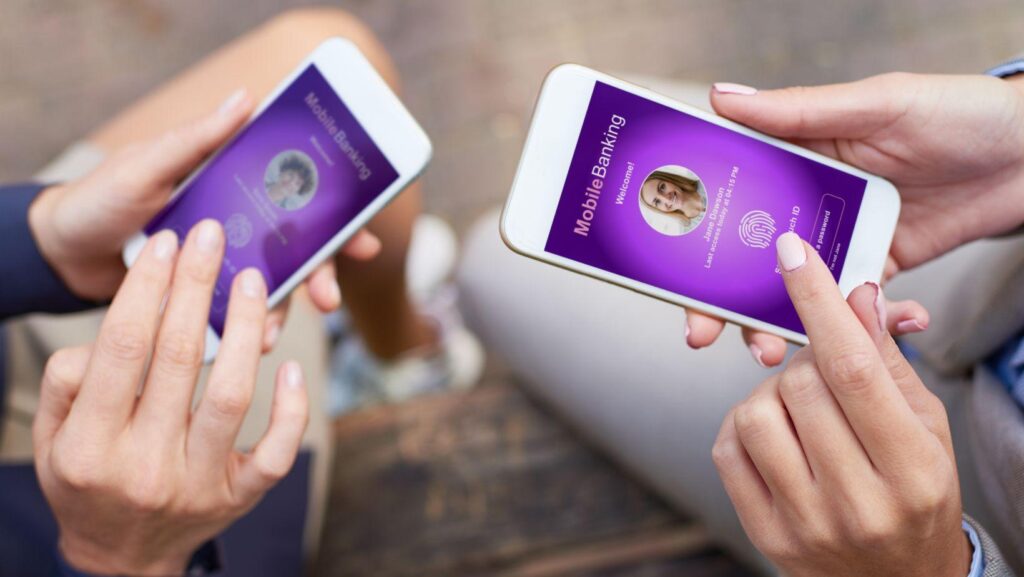
You tap "Deposit and play", type in 50 euros, and your banking app opens. You confirm with a fingerprint, the app sends you back to the browser, and a game lobby loads with 50 euros on the balance. The whole thing takes around 20 seconds. No sign-up form, no password, no confirmation email.
It feels like one action. Behind it, five separate systems, often run by five different companies, pass your session along, each with its own records and legal duties. The industry calls the model Pay N Play.
Bank authentication does the identity work
The flow starts at your bank. Under the EU's second Payment Services Directive (PSD2), logging in and approving a payment requires strong customer authentication: two independent factors from the categories of something you know, something you have and something you are. A PIN plus your phone counts. So does your phone plus a fingerprint.
Your bank verified you when you opened the account, and the gaming site borrows that work. With your consent, the bank connection returns your verified name, date of birth and, in Finland and Sweden, your national identity number. That one data packet replaces the registration form.
The payment initiation layer moves the money
Authentication and payment are separate jobs. A licensed payment initiation service provider sits between the operator and your bank and instructs the transfer from your account. The Swedish payments company Trustly popularized this setup for gaming. The EU Instant Payments Regulation required eurozone banks to offer outgoing instant euro transfers from October 2025, so a deposit can settle in seconds instead of on the next banking day.
Verification runs in the gap
While the payment clears, a third system checks the identity data. Age comes first. Sanctions lists, screening for politically exposed persons, national self-exclusion registers where they exist and device fraud signals all run in the same window. Operators have moved to document-free ID checks because every request for a passport scan loses players at the door, and bank-sourced data lets most sign-ups clear without one. The checks still scale with risk. A name mismatch or an odd deposit pattern halts the flow and brings back the document request.
Finland shows the full chain in daily use
Finnish pikakasinot, a term that translates roughly as "quick casinos", run this architecture end to end: bank authentication, payment processing, customer verification, the casino account and the gaming platform each finish their part in sequence, while the player sees one continuous session.
Finland suits the model for a cultural reason. Finns have used their online banking codes for years to log in to tax, health and pension services, first through the banks' old TUPAS standard and now through the Finnish Trust Network, which the national transport and communications agency Traficom supervises. A bank login feels routine there, closer to unlocking a phone than to handing over sensitive data.
Regulation points the same way. From July 2027, Finland's new Gambling Act makes mandatory player identification a condition for all gambling, requires strong identification at registration and obliges players to set daily and monthly limits on transfers into their player accounts. A flow that puts the bank login at the front door already places identity where the law wants it. The transfer limits add one more check between the payment layer and the casino wallet.
The casino account builds itself
The fourth system is the operator's player account management platform, known in the trade as the PAM. It receives your verified identity, creates an account keyed to it, attaches a wallet, credits the deposit and applies whatever limits you or the regulator have set. You never choose a username.
The identity number also handles your return. On your next visit you log in through the bank again, the PAM matches the number to your existing account, and your history and limits carry over. Withdrawals travel the same path in reverse and land in the bank account that funded the deposit. That closed loop shuts down one of the oldest laundering tricks, which is paying in from one account and cashing out to another.
The game platform sees a token and nothing more
The last layer is the game, usually served from a studio's remote game server through an aggregator. The studio never learns your name. It receives a session token and talks to the operator's wallet through API calls: debit the stake, credit the win, report the balance. A slot developer in Malta can serve a player in Tampere without ever seeing their name or bank details.
Where the seams split
Five systems add up to four handoffs, and the handoffs produce the bugs. A browser session can time out after the payment goes through but before the redirect, which leaves money gone from your bank account and no casino account to receive it. Engineers deal with this through idempotency keys, which stop a retried request from creating a second deposit, and reconciliation jobs that match payment records against accounts and refund anything left orphaned.
So when the lobby loads 20 seconds after your tap, a bank, a payment provider, a verification service, an operator and a game studio have each signed off on your session. Each keeps its own log, which is why a ticket about a missing deposit can take a day to answer: someone has to line up five sets of records first.