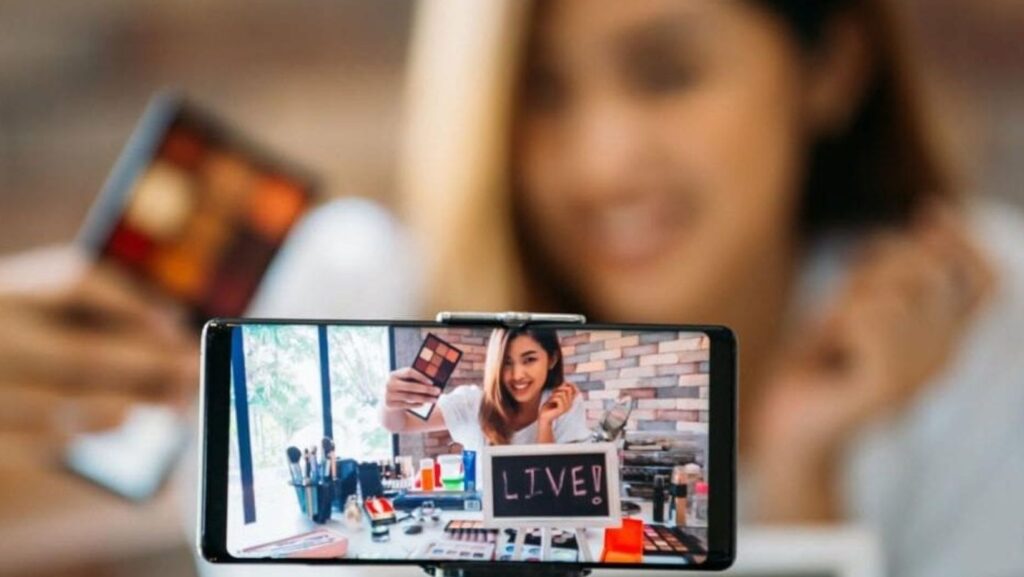
Streaming wasn’t always this big. Back when it started, it was clunky and kind of awkward — you’d open a stream, see someone playing, maybe stay for ten minutes, maybe not. It felt personal, like you were hanging out in someone’s room while they played. There were no flashy overlays, no sponsorship logos, no screaming alerts. Just raw gameplay, maybe a quiet chat if you were lucky.
But those days are gone. Streaming turned into a machine, and now it feels like a live TV show that never stops. People expect constant entertainment. They expect energy. They expect something crazy to happen every five minutes, or they’re off to the next channel. And the streamer? They’re stuck juggling the game, the chat, the soundboard, the sponsors, and their own sanity.
Streaming as a Stage
Look at projects like Book of Ra online Casino and you see how this shift happened. The title itself is simple but addictive — expanding symbols, free spins, just enough unpredictability to keep players leaning forward. It became so popular that other developers cloned it, polished it, and released their own takes. But when streamers started broadcasting it, it turned into something bigger. It wasn’t just about playing anymore; it was about giving the audience a show. Every big win became a moment to shout, every loss a chance to slam the desk, and the chat was there for all of it, egging it on. This is what turns normal play into spectacle — the need to keep viewers glued to the screen.
The Audience Changes Everything
The crowd has power, even if they don’t realize it. Once a streamer has hundreds or thousands watching, the mood of the chat sets the tone. If they start spamming hype messages, the streamer feels that pressure to keep riding the wave. If they start demanding riskier moves, most streamers give in — because nothing kills a stream faster than boredom.
- Sessions go longer because stopping feels like letting everyone down.
- The risks go higher because big wins keep people watching.
- Reactions get louder because silence looks bad on camera.
The audience isn’t just watching anymore — they’re steering the show.
The Toll on the Streamer
People think streaming is easy. “Just sit there and play,” they say. But try doing that for six, eight, ten hours straight while hundreds of strangers watch your every move. Try staying upbeat after three hours of bad runs. Try keeping chat happy when half of them are spamming insults or telling you what to do.
It wears people down. Burnout is real. You start forcing the energy, putting on a fake grin, yelling when you don’t even feel it — because you know that if you don’t, half your audience will leave.
| Pressure Point | What It Does | Why It’s Hard |
| Constant talking | Mental fatigue | No dead air allowed |
| Chat demands | Stress, frustration | Can’t please everyone |
| Risk escalation | Losses, exhaustion | Bigger plays mean bigger falls |
| Long streams | Burnout, health issues | No time to recharge |
Money Makes It Messier
Streaming isn’t just for fun anymore — for a lot of people, it’s how they pay rent. That’s where it gets messy. The platforms reward long hours, constant engagement, and non-stop content. Sponsors want numbers.

Viewers expect you to be “on” even when you’re having a rough day. When your income depends on keeping everyone happy, it’s hard to say no. So you push yourself. You stream longer. You ignore that headache or that sore throat. And sometimes, you push yourself into a hole you can’t climb out of.
The Chat Isn’t Always Friendly
Let’s be honest — live chat can be brutal. For every friendly viewer cheering you on, there’s someone trolling, spamming insults, or trying to get a reaction. The bigger the audience, the more noise you have to filter through. Some days you can laugh it off, other days it gets under your skin. Streamers hire moderators to keep things civil, but it’s still like trying to hold back a river with a bucket.
Staying Sane on Stream
The ones who last learn how to draw lines.
- Set stream hours. Don’t try to be live 24/7.
- Take breaks. Walk, stretch, breathe.
- Use moderators. Let someone else handle the worst of the chat.
- Stay grounded. Remember why you started before it all became about numbers.
It’s not easy. But the streamers who protect their mental space are the ones still standing years later.
Wrapping This Up
Streaming turned from a side hobby into a performance industry, and the viewers hold more power than ever. They turn quiet sessions into live shows. They push for big moments, loud reactions, and risky plays — and streamers deliver because they have to. It’s exciting, sure, but it’s also exhausting.
The future is only going to turn the volume up — more interactive streams, more audience control, more pressure. If you watch, remember there’s a real person on the other side of the screen, trying to keep it all together. And if you stream, remember that it’s okay to take a breath, shut it down for the night, and come back fresh. Because in the end, the show isn’t worth it if it burns you out completely.