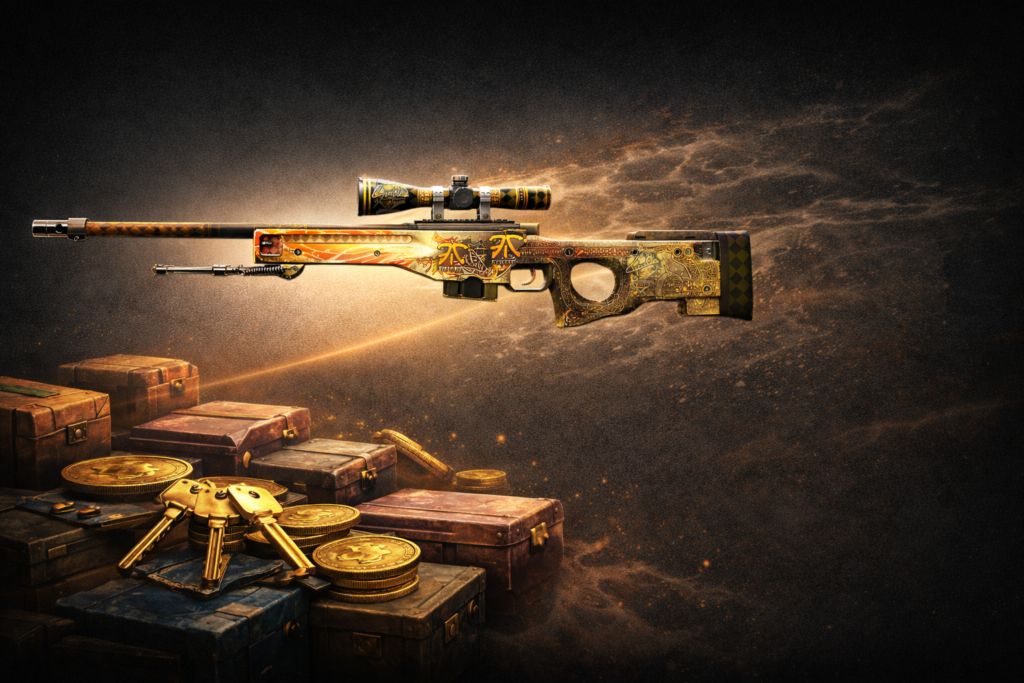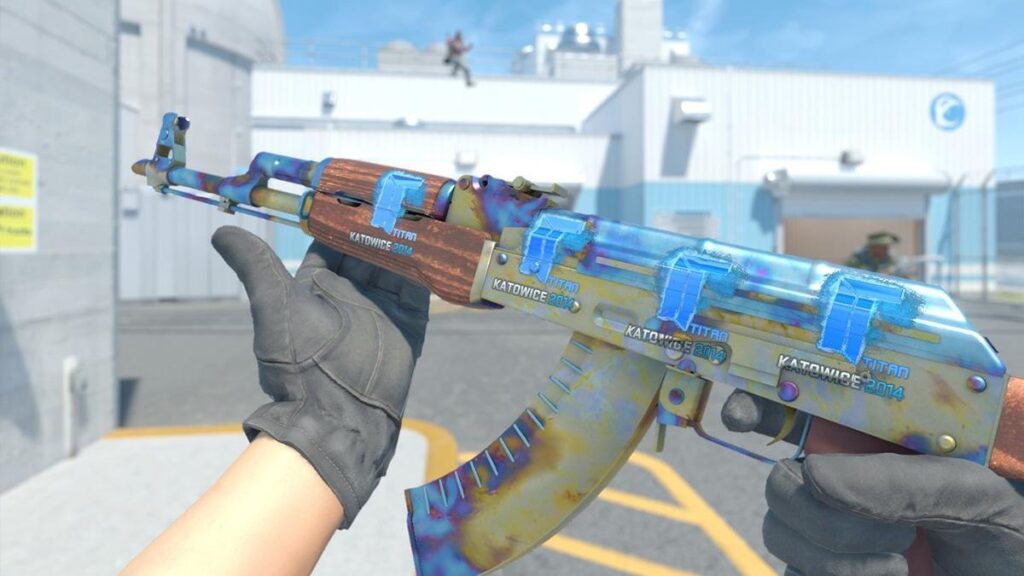
Picture this: two players load into the same match, same map, same rules. One holds a default rifle. The other carries a weapon worth more than a high-end gaming PC. The shots deal identical damage—but culturally and economically, they’re worlds apart.
This is the quiet paradox at the heart of Counter-Strike 2. While most shooters treat cosmetics as disposable flair, CS2 turned them into assets people track, debate, and build strategies around. Not because Valve forced it—but because the system allowed it. For anyone who has ever browsed all cs2 skins and realized how deep and layered the ecosystem really is, it becomes clear why this market feels different.
Plenty of games tried to replicate that magic. None succeeded. And the reason isn’t nostalgia—it’s design.
A Market That Wasn’t Designed, Just Allowed
Here’s the first key difference: CS2’s market was never aggressively engineered.
Most modern shooters tightly control their cosmetic systems. Items are locked to accounts, bound to battle passes, or sold at fixed prices. Predictable. Safe. Disposable.
CS2 took a different route:
- Items are tradable
- Supply is limited by time, not infinite storefronts
- Value is determined by players, not price tags
- Scarcity emerges organically through collections, cases, and removals
Valve didn’t manufacture a marketplace moment. They simply didn’t shut one down.
That restraint is rare—and powerful.
Liquidity Changes How Players Think
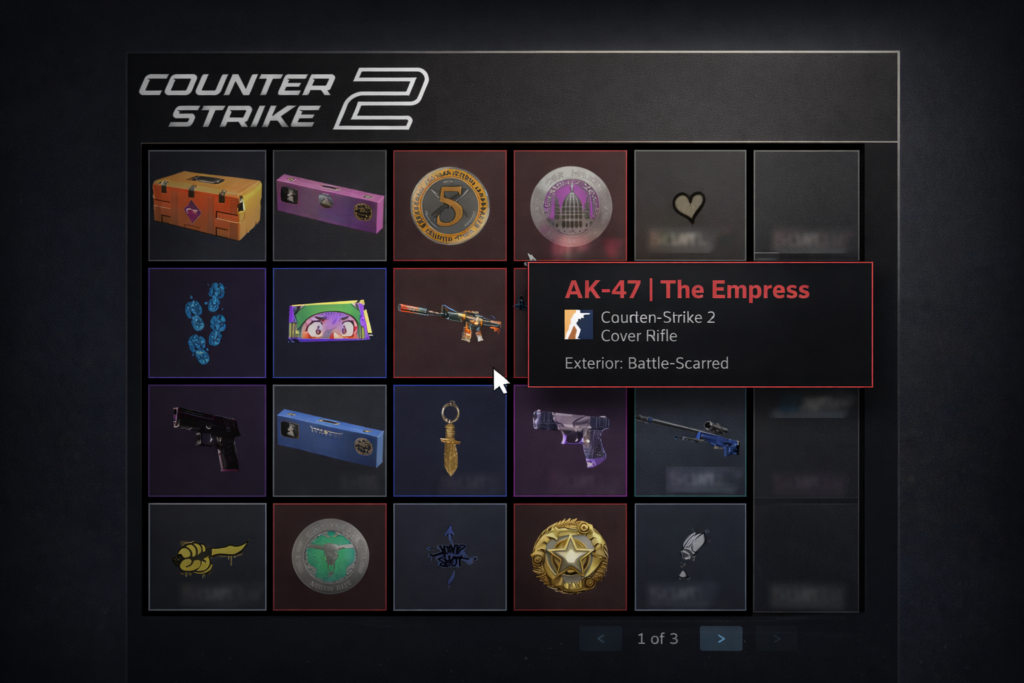
A market can’t exist without movement. In CS2, skins flow constantly between players, creating real price discovery instead of artificial pricing.
In most shooters:
- You buy a skin
- You equip it
- The transaction ends forever
There’s no resale, no exit, no reason to think long-term. Cosmetics become sunk costs.
In CS2, every item lives in a state of potential motion. Even players who never sell know they could. That single fact changes behavior. Suddenly, condition matters. Timing matters. Updates matter. Entire inventories become something you might occasionally check cs2 inventory value for not out of greed, but awareness.
That mindset doesn’t exist in closed systems.
Competitive Integrity Keeps Value Honest
Another critical factor: CS2 never blurred the line between cosmetics and gameplay.
- Skins don’t affect damage
- Rarity doesn’t create advantage
- Prestige remains visual, not mechanical
Because competitive integrity is sacred, skins become pure expressions of identity and status—not shortcuts. High-value items feel respected, not suspicious.
In many shooters, expensive cosmetics feel artificial. In CS2, they feel earned—even when bought. That difference is subtle, but it’s everything.
Time Creates Value, Not Hype
Most shooters rely on short-term excitement:
- Seasonal bundles
- Limited-time offers
- Flashy collaborations
CS2 lets time do the work.
Some skins gain value simply because:
- A collection stopped dropping
- A case quietly disappeared
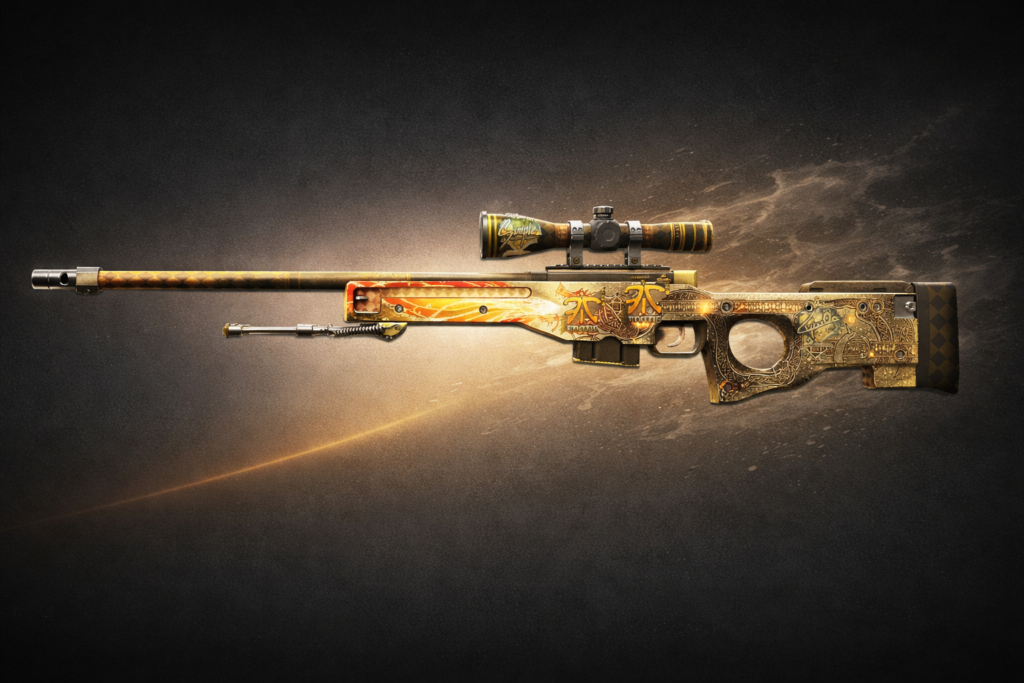
- A design aged into something iconic
There are no countdown timers telling players what to care about. Value accrues naturally. Players don’t just buy what’s new—they preserve pieces of the game’s history.
Other shooters burn their past to sell the future. CS2 lets the past appreciate.
Trust Is the Real Currency
CS2’s market has seen crashes, spikes, and controversy. Yet players keep returning. Why?
Because the core rules rarely change.
Updates may disrupt the ecosystem, but they don’t feel arbitrary. The system bends, but it doesn’t feel rigged. That consistency builds trust—and no digital economy survives without it.
Many shooters undermine themselves by rewriting rules after players have invested. Once trust breaks, the market dies. CS2 learned early that stability matters more than control.
Why Other Shooters Can’t Copy This
Studios often ask: Why not add trading? Why not add rarity?
Because CS2’s market isn’t a feature—it’s a culture built over decades.
You can’t shortcut:
- Community trust
- Competitive legitimacy
- Long-term item history
- Player-driven pricing
Attempts to manufacture a CS2-style economy usually fail because players sense when value is being extracted instead of allowed to emerge.
CS2 works because it doesn’t shout. It just exists.
The Real Reason CS2 Stands Alone
At its core, CS2 respects players more than most shooters:
- It lets them assign value
- It lets them exit when they want
- It doesn’t promise profit—but doesn’t block it either
That balance is rare. And fragile.
Other shooters sell cosmetics.
CS2 hosts an ecosystem.
And that’s why no other shooter has a market like it.
Final Thought
CS2 didn’t set out to build the most resilient digital economy in gaming. It simply refused to overcontrol one. In an industry obsessed with monetization funnels, that restraint became its biggest advantage.
The lesson isn’t “add a marketplace.”
It’s trust players enough to let value grow on its own.
And that’s a lesson most shooters learned too late.
Banner image: