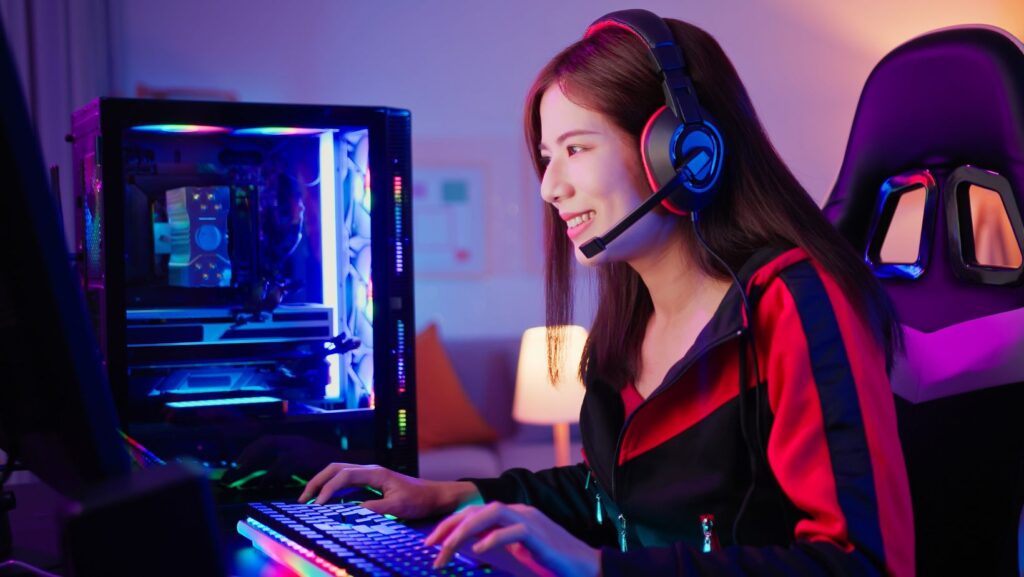
The metaverse is no longer a concept confined to science fiction novels and futuristic films. It is, quite literally, the reality, and for gamers, it represents one of the most exciting changes in the history of interactive entertainment. From immersive virtual worlds to blockchain-powered economies, the metaverse is completely changing what it means to play, compete, and connect with other players and the games themselves. Many platforms are already leveraging this change, offering a platform that fosters interaction and excitement across all areas. As this technology becomes more mainstream, gamers stand at the very centre of its development. And, they have the most to gain.
Getting Immersed in a New Dimension
At its centre, the metaverse promises a level of immersion that traditional gaming has only scratched the surface of. While today’s games offer stunning visuals and engaging narratives, the metaverse takes things a step further by creating continued shared virtual environments where players don’t just visit, they can live and embody the characters. Essentially, it’s like if you can imagine logging into a world where your progress, relationships and achievements carry real weight, existing after you close the game.
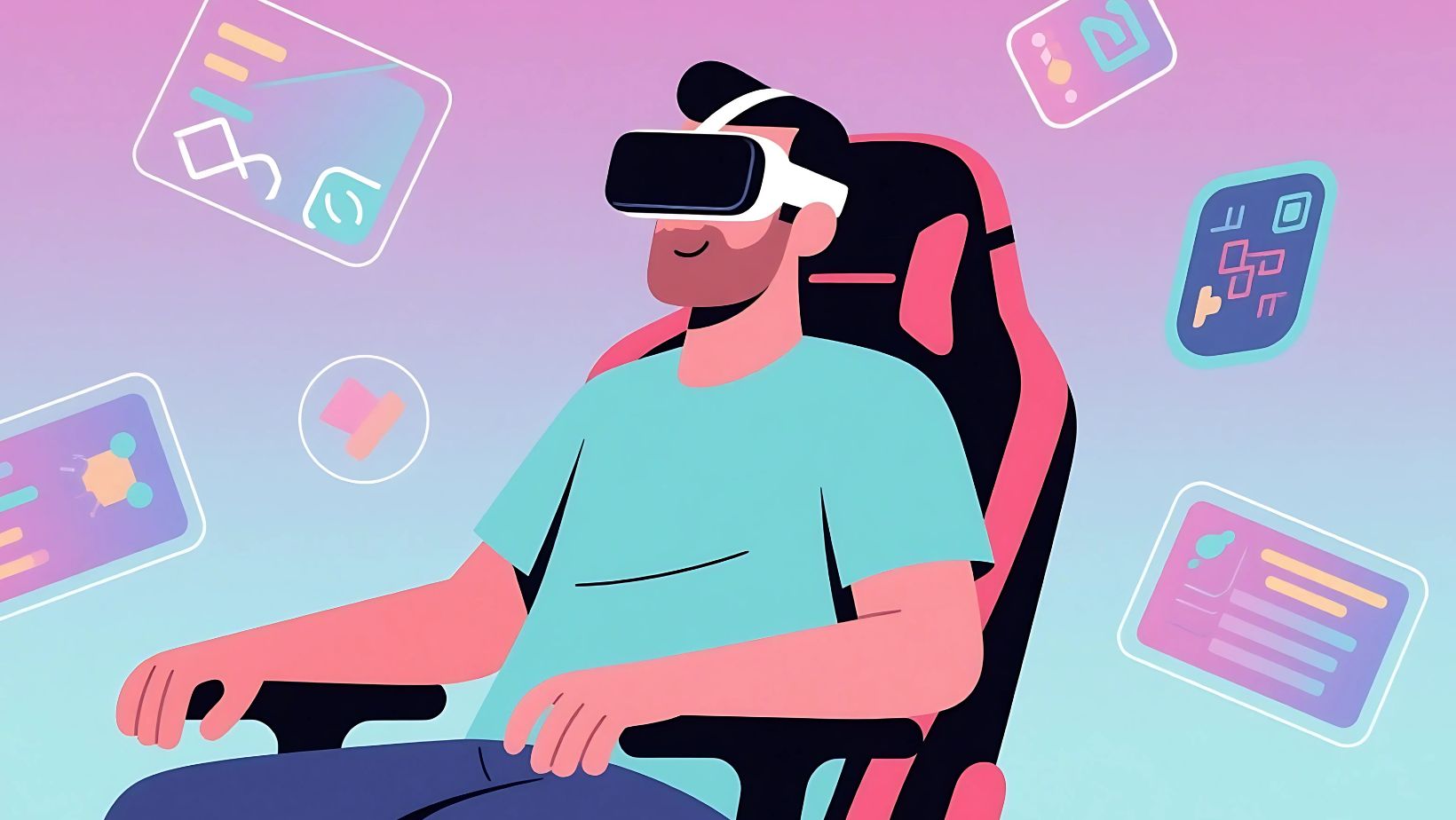
Virtual reality (VR) and augmented reality (AR) hardware are becoming increasingly affordable, making this level of immersion more accessible than ever. Headsets that used to cost thousands of dollars are now available to everyday consumers, and as the technology improves, the gap between the physical and virtual world continues to shrink. For gamers who have always sought deeper levels of engagement, this is exactly the change they are looking for.
True Ownership of Digital Assets
One of the most significant changes the metaverse brings to gaming is the concept of true digital ownership. Traditionally, in-game items, skins, and currencies belong to the game developer. If the servers go down or the company shuts up shop, everything a player has earned disappears.
The metaverse, powered by blockchain technology and non-fungible tokens (NFTs), changes this situation entirely. Players can own unique digital assets that exist independently of any specific platform. A rare sword, a custom avatar skin, or a piece of virtual land can be bought, sold, or traded just like physical goods. For dedicated gamers who invest hundreds of hours into a game, this move towards genuine ownership adds real-world value to their time and effort.
Reimagining Social Gaming
Gaming has always been a social activity, but the metaverse amplifies this aspect dramatically. Rather than simply playing alongside friends in a multiplayer lobby, the metaverse creates spaces where players can hang out, attend virtual events, explore together, and build communities in ways that feel genuinely meaningful. Platforms that combine gaming with interactive entertainment, including online environments such as Zenobet are part of this broader shift toward more socially connected digital experiences.
Concerts, tournaments, sports events, and social gatherings are already taking place inside virtual worlds. Games like Fortnite have hosted live events watched by millions of players simultaneously. As the metaverse expands, these moments will become richer, more interactive, and an integral part of daily life. For gamers, this means the social infrastructure they already love is about to become significantly more powerful.
New Economies and Career Opportunities
The metaverse is also creating entirely new economic opportunities for gamers. The play-to-earn model, which allows players to generate real income through gameplay, is gaining serious traction. Professional gaming was once considered a dream for only the most elite players, but the metaverse improves the earning potential across skill levels.
Virtual real estate, in-game entrepreneurship, content creation, and esports are all flourishing within metaverse ecosystems. Gamers are no longer just consumers of this type of content, but they are also builders, traders, and entrepreneurs. This change is enabling a whole generation of players to turn their passion into a sustainable livelihood.
Challenges Still Ahead
Of course, the road to a fully realised metaverse is not without its obstacles. Issues surrounding data privacy, digital addiction, platform monopolisation, and environmental impact all need to be addressed. The experience also needs to remain genuinely fun, something developers must never lose sight of amid all the technological ambition.
For gamers, the metaverse represents the ultimate gaming environment. It is a space where imagination, community, competition, and commerce collide in ways that were not possible before. Those who have spent years mastering virtual worlds are uniquely positioned to thrive in this new landscape.