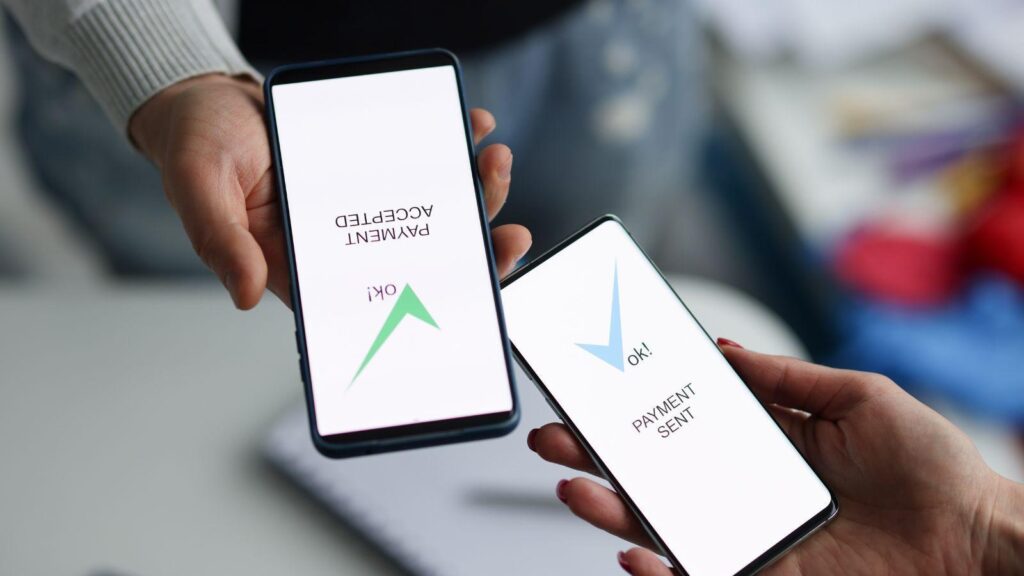
Canadians love their credit cards, but something quieter has been happening in the background. More people are simply moving money straight from one bank account to another, skipping the card networks entirely. Interac e-Transfer, once a niche tool for splitting bills between friends, has turned into a default rail for everyday digital payments.
This shift isn't loud or flashy. There's no new app to download or flashy rebrand behind it. It's just a steady, structural change in how money moves across the country, and it's worth understanding why it's happening now.
Why Interac Overtook Credit Cards For Speed
Cards still dominate total spending in Canada, but the growth curve tells a different story. Interac e-Transfer volumes have been climbing fast, driven by convenience rather than marketing hype. Sending money by email or phone number feels immediate, personal, and free of the friction that comes with card terminals or checkout forms.
Speed is the real draw here. A card transaction still routes through multiple intermediaries before settlement finishes, while a bank transfer increasingly clears in near real time. For everyday users, that difference translates into an experience that simply feels more modern and more direct.
Real-Time Rails Are Reshaping Transactions
Behind the scenes, Canada is building genuine real-time payment infrastructure, and Interac is expected to ride on top of it. Instead of the near-instant clearing consumers already enjoy, the new rail promises guaranteed settlement in seconds, with irrevocable finality baked into the system. That's a meaningful upgrade for an infrastructure most people take for granted.
This modernization also matters for readers exploring digital services that rely on fast, dependable transfers. Streaming platforms renew subscriptions instantly. Digital ticketing platforms confirm purchases in seconds. Online investment platforms settle trades without banking delays. Online casino platforms are no exception — Gambling Insider's toplist of Interac casinos covers verified operators with clear deposit terms and instant transaction processing, handled through the Interac payment system. It's a useful illustration of how deeply Interac has embedded itself into everyday digital transactions, well beyond simple person-to-person transfers.
Where Instant Transfers Show Up Digitally
The clearest evidence of this shift sits in the numbers. Interac e-Transfer volumes jumped from 1.16 billion transactions in 2023 to roughly 1.4 billion the following year, according to recent payment statistics. That's not a marginal bump; it's a sustained climb that outpaces most traditional card growth trends.
Broader national data backs this up too. Online transfers grew by 175% in volume and 219% in value between 2019 and 2024, making them the fastest-growing payment category tracked by national payments data. Cards haven't disappeared, but the trajectory clearly favors direct bank-to-bank movement.
What Comes Next For Payments
The next phase of this story is infrastructure, not consumer behavior. Canada's forthcoming Real-Time Rail is designed to sit underneath familiar interfaces like Interac e-Transfer, upgrading the plumbing without disrupting the experience users already know. According to industry analysis, testing phases are expected to expand through 2026, setting the stage for full instant settlement nationwide.
Once that rail goes live, the gap between initiating a payment and having it actually settle should shrink to nearly nothing. For a country where cards have long been the default, that's a quiet but significant redefinition of what "instant" really means. The infrastructure conversation may sound technical, but its outcome will be felt every time someone taps send instead of reaching for a card.