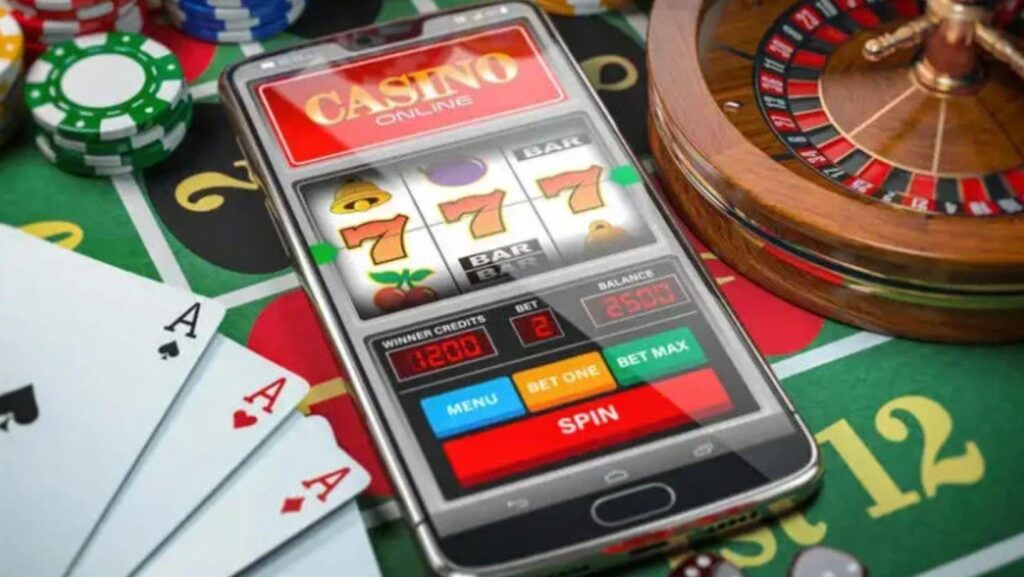
Online slot games may look simple from the outside, but the technology powering them has evolved considerably. What once depended on physical reels and mechanical components now ope rates through sophisticated software, mathematical models, and responsive digital interfaces.
Modern slot games combine programming, graphic design, probability, and user experience principles to create interactive entertainment. From the moment a game loads to the animation that follows each spin, multiple technologies work together behind the scenes.
Understanding these systems provides a different perspective on digital slots. Rather than focusing exclusively on symbols and themes, players can explore the engineering decisions that shape how games look, feel, and function.
From Mechanical Machines to Digital Game Engines
Traditional slot machines relied on physical components, including reels, gears, and mechanical stopping mechanisms. Their modern counterparts use software to represent these elements on digital screens.
Today’s online slots are built using game engines and development frameworks capable of managing animations, user interactions, sound effects, and game logic.
Many browser-based games rely on technologies such as HTML5 and JavaScript, which allow developers to create interactive experiences without requiring users to install dedicated software.
These technologies also support responsive layouts, making it possible to adapt gameplay interfaces to different screen sizes and devices.
For players interested in understanding how different mechanics are implemented, exploring online slot game guides can provide useful context about reel structures, bonus features, and the design principles behind modern games.
Learning how these elements work makes it easier to recognize the differences between traditional slot formats and newer digital variations.
The Role of Random Number Generators
One of the most important technologies behind digital slot games is the Random Number Generator, commonly known as an RNG.
An RNG produces values used by the game’s mathematical system to determine outcomes.
In appropriately designed independent-spin slot games, each outcome is generated independently of previous results.
This means that a series of similar outcomes does not establish a reliable pattern for predicting the next spin.
How RNG Technology Works
Most digital gaming systems use pseudorandom number generators, or PRNGs.
These algorithms generate sequences of values using mathematical operations and an initial seed.
Although the underlying process is deterministic, properly designed and implemented systems can produce results that are computationally difficult to predict.
The game then maps generated values to outcomes based on its predefined mathematical model.
This distinction is important because randomness does not mean every possible result has the same probability.
Different symbols and combinations may have different assigned probabilities depending on the game’s design.
Why Animations Do Not Determine Outcomes
A common misconception is that the visible movement of the reels determines where they stop.
In many digital slot implementations, the outcome has already been selected before the reel animation finishes.
The spinning reels are primarily a visual representation of that result.
This separation allows developers to create smooth animations while keeping outcome generation within the underlying game logic.
How HTML5 Changed Browser-Based Gaming
HTML5 has played an important role in making modern digital games more accessible across devices.
Before browser technologies became more advanced, many interactive games depended on external plugins or specialized software installations.
Modern web standards allow developers to deliver graphics, audio, animations, and user interactions directly through compatible browsers.
For slot games, this creates several practical advantages.
Cross-Device Compatibility
A well-designed HTML5 game can adapt its interface to desktops, tablets, and smartphones.
Developers can adjust screen layouts, resize controls, and optimize graphical elements according to available screen space.
However, compatibility does not automatically guarantee identical performance across devices.
Hardware capabilities, browser versions, and network conditions still influence the experience.
Faster Access to Games
Browser-based games can reduce the need for large downloads.
Instead of installing a separate application for every title, users can access supported games directly through a compatible browser.
Game assets may still need to download when the title launches, but caching and optimized asset delivery can improve subsequent loading times.
Improved Visual Presentation
Modern browser rendering technologies support detailed animations, lighting effects, and interactive interfaces.
Developers can use these capabilities to create themes inspired by mythology, science fiction, adventure, and classic casino imagery.
The challenge is balancing visual complexity with performance, particularly on mobile devices.
Understanding the Mathematics Behind Slot Mechanics
While graphics attract attention, mathematical models determine how slot games operate.
Several concepts help explain these systems.
Return to Player
Return to Player, or RTP, represents the theoretical percentage of total wagers a game is designed to return over a very large number of plays.
For example, a game with a published RTP of 96% has a theoretical long-term return of 96 units for every 100 units wagered across the modeled play volume.
This does not mean an individual player will receive that percentage during a particular session.
Short-term outcomes can differ substantially from the theoretical average.
Volatility
Volatility describes how a game’s outcomes are distributed.
Lower-volatility games generally feature smaller, more frequent returns, while higher-volatility games tend to produce less frequent but potentially larger returns.
The exact behavior depends on the mathematical model used by the developer.
Understanding volatility helps explain why two games with similar visual designs may provide very different experiences.
Reel Structures and Paylines
Traditional slots often use three reels and relatively simple paylines.
Modern games may introduce additional reels, changing symbol positions, cluster-based combinations, or alternative ways of determining matching symbols.
Some formats use dynamic reel systems that modify the number of possible symbol combinations between spins.
These features add variety, but they do not make future outcomes predictable.
How Software Engineering Influences Game Performance
Developing a modern slot game involves much more than creating attractive graphics.
Software engineers must manage performance, responsiveness, and compatibility across different environments.
Several technical factors influence the final user experience.
Loading efficiency: Images, animations, and audio files should be optimized to minimize unnecessary data transfers.
Rendering performance: The game should maintain smooth animations without placing excessive demands on the device.
Responsive controls: Buttons and menus need to react consistently to user input.
Session stability: The application should handle interruptions, browser changes, and connectivity problems gracefully.
These engineering principles apply to many types of digital entertainment, including mobile applications and browser-based video games.
TurboGeek explores related software concepts in its article The Tech Behind the Spin: How Algorithms Shape Casino Games, which examines the relationship between gaming algorithms, randomness, and modern digital interfaces.
For technology enthusiasts, understanding these systems can be as interesting as the games themselves.
Why Free-to-Play Gaming Supports Exploration
Free-to-play gaming environments offer an accessible way to experience different visual styles and gameplay mechanics.
Without requiring a purchase, players can explore supported games, examine their interfaces, and compare how different developers present similar features.
For example, two slot titles may use wild symbols but implement them in completely different ways.
One game might use expanding wilds, while another introduces special wild symbols during bonus rounds.
Trying different formats can help players understand these distinctions through direct experience.
Free-play games can also demonstrate how design choices influence accessibility.
Clear instructions, readable interfaces, and intuitive controls are particularly valuable for newcomers unfamiliar with slot terminology.
However, free-play experiences should not be treated as tools for predicting outcomes in other gaming environments.
Randomized results remain unpredictable, and different versions of a game may use different rules or mathematical configurations.
The Future of Digital Slot Technology
Advances in software development continue to influence how online games are designed and delivered.
Improved mobile processors allow developers to create more detailed graphical environments without relying exclusively on desktop hardware.
Cloud infrastructure and content delivery networks can improve the distribution of game assets across different geographic locations.
Meanwhile, accessibility features and responsive interfaces are becoming increasingly important as gaming audiences expand across devices.
Developers are also exploring more sophisticated personalization within game libraries.
Recommendation systems can help users discover titles based on preferred genres, visual themes, or gameplay features.
Importantly, these discovery systems are separate from the randomization mechanisms that determine game outcomes.
The most meaningful improvements may ultimately come from technology that makes games easier to understand, faster to access, and more enjoyable to navigate.
Final Thoughts
Modern online slot games represent a combination of software engineering, mathematical modeling, visual design, and interactive entertainment.
Technologies such as HTML5, random number generators, and responsive game engines have transformed traditional reel-based games into accessible digital experiences.
For players, understanding these systems offers a clearer perspective on how games function and why different titles provide different experiences.
For technology enthusiasts, digital slots offer an interesting example of how programming, probability, and interface design come together in modern browser-based entertainment.