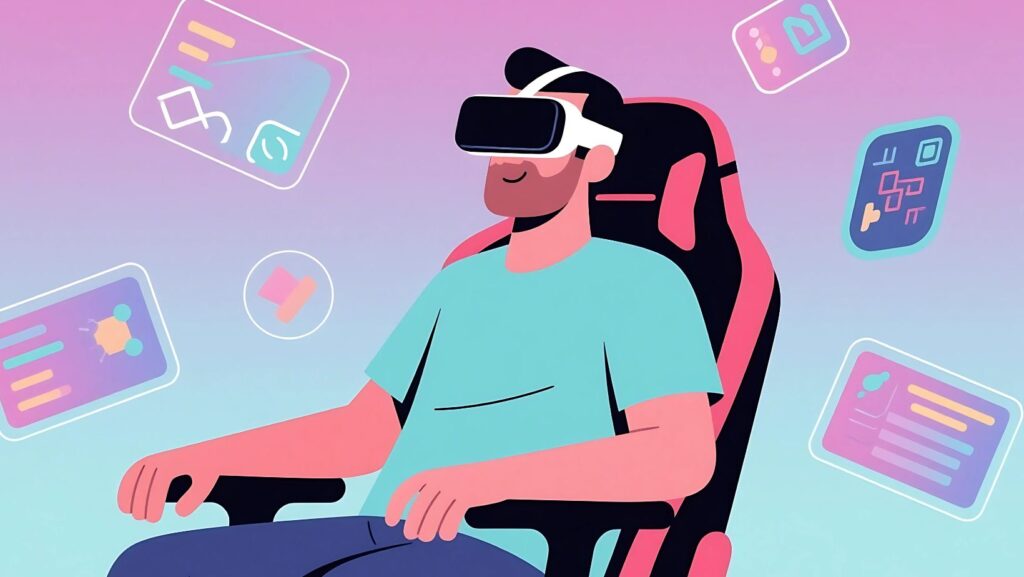
What was once an amusement has now transformed into a vital hangout for gamers – with people using these platforms not only to play but to carry out everyday activities such as their jobs, hold birthday parties, watch concerts, and discuss what’s happening in the real world. The boundaries between social media sites and online games are becoming increasingly blurry.
Digital Economies and the New Wave of Interaction
Modern games also host complex digital economies. Skins, collectibles, and virtual currencies create new forms of status and identity. At the same time, community-driven trends are expanding into competitive betting spaces. For example, some platforms now offer esports-style gambling where players can aim for a CSGO jackpot, with features like provably fair systems that allow users to verify every round.
Identity and Self-Expression in Virtual Culture
Avatars have become more than cosmetic tools. They represent personality, creativity, and cultural belonging. Players design outfits, gestures, and even virtual homes that reflect who they are.
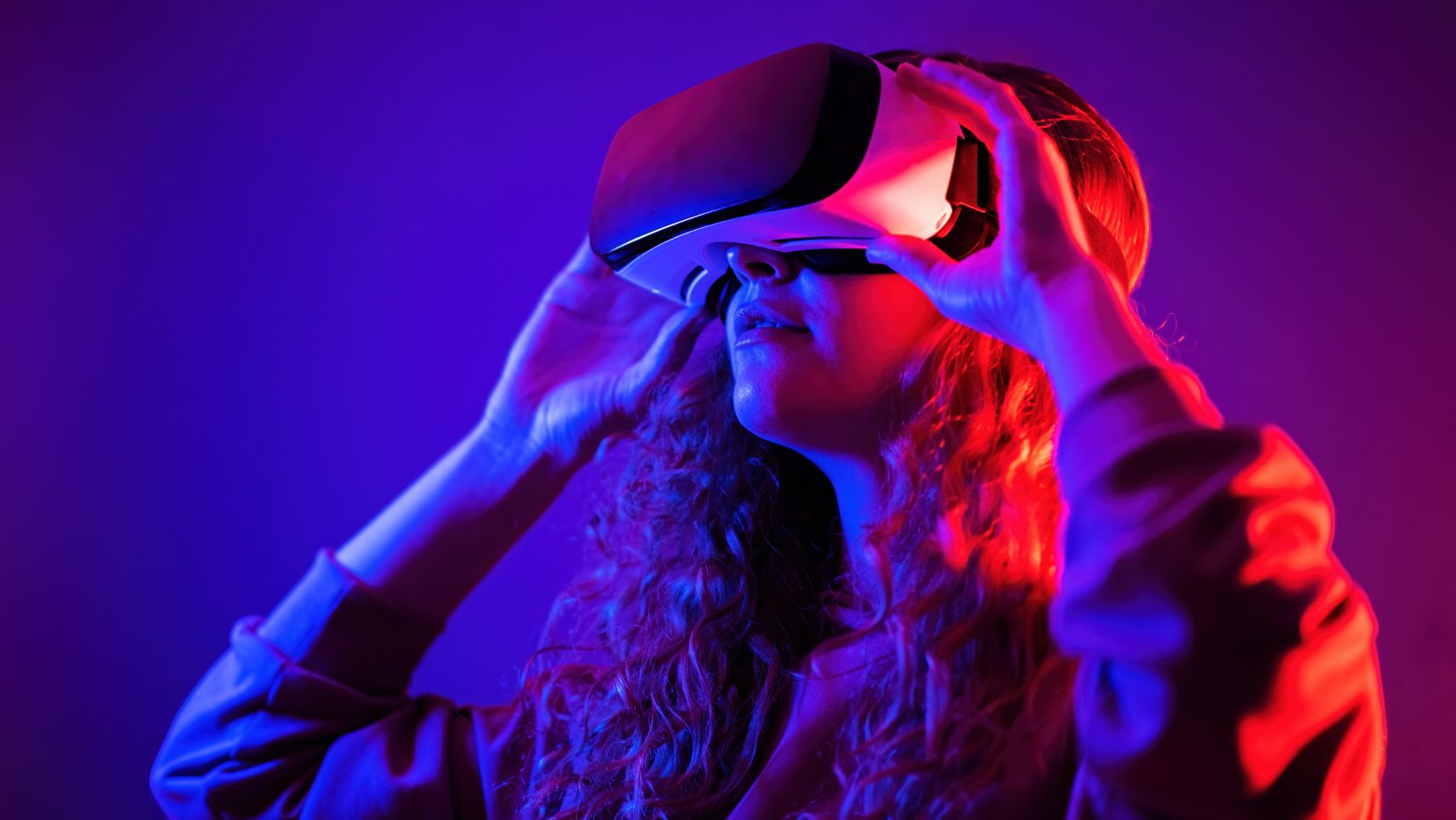
This freedom allows people to explore new identities safely while forming genuine social bonds that often continue beyond the game.
Communication Beyond Text and Voice
Virtual worlds enable richer forms of interaction than traditional chats. Body language through emotes, shared activities, and collaborative quests builds deeper connections. Instead of passive scrolling, users actively participate in stories together. These immersive interactions create memories similar to real-life shared experiences.
Key Reasons Games Are Becoming Social Metaverses
- Persistent worlds that exist even when players log off
- Built-in voice, video, and real-time interaction tools
- Player-driven economies and community events
- Cross-platform access connecting mobile, PC, and consoles
- AI-driven NPCs that simulate real conversations
The Influence of Technology and AI
Artificial intelligence is changing the way we play games with others. Storylines that adapt based on what you do and characters that respond differently every time make for an exciting experience. This technology also lets developers study how people play – so they can make things more enjoyable just for you. Thanks to cloud gaming, huge numbers of players can now interact in the same virtual world at once – without needing super-powerful computers. Powerful game engines help bring this vision to life.
Cultural Impact and the Future of Community
Games are changing what’s cool about music, clothes, and comedy. They’re also changing how companies promote their products. Now, game makers and brands work together to create digital goods or put on virtual concerts that people can only see if they’re playing the game. An increasingly large part of younger generations’ leisure time is spent in these interactive worlds. As a result, video games have become the birthplace of trends that were once confined to websites and blogs.
What Comes Next for Digital Society
The future will be about hybrid experiences that combine elements of games, social media, and work. Imagine going to virtual meetings in immersive offices; attending classes at virtual universities, or dancing with friends at virtual festivals – all from the comfort of your own home. As technology becomes even more advanced, these computer-generated worlds won’t replace reality but will change how we interact with each other and express ourselves.