A gamer walks into a store planning to replace a drifting controller. The purchase sounds very simple. But the choices around it are not. The same customer might own downloaded games. Keep a few physical favorites. Need extra storage, want a headset for multiplayer sessions, and collect figures from a series they have followed for years.
That mix explains the real challenge for gaming retail. The customer is no longer shopping in one lane. Retailers such as GameStop have to serve a hobby that moves constantly between software, devices, accessories, physical objects, and online ecosystems.
The Purchase No Longer Starts With a Game Box
For years, the most visible retail transaction was straightforward: choose a title, buy a copy, take it home. Digital storefronts changed that routine, but they did not remove the need for physical retail. They changed what a store has to be useful for.
A modern player may download most video games while still visiting a retailer for a console, controller, charging cable, storage upgrade, or physical release. That makes the store less dependent on a single product category and more connected to the equipment surrounding play.
Hardware Keeps the Store Relevant
Gaming hardware is one part of the experience that remains naturally suited to comparison. Consoles, controllers, headsets, keyboards, storage devices, and other equipment should be about compatibility, comfort, condition, and price.
Physical retail can help when buyers want to see the scale of a device. Compare packaging, replace something quickly. Or trade existing equipment before moving to a fresh, as-new setup. The value is not simply that the product sits on a shelf. It is that hardware creates practical buying decisions that digital game libraries cannot solve by themselves.
Accessories Turn One Setup Into Many
Gaming accessories also reflect how personal the hobby has become. Two people may own the same console but build very different setups around it.
One may care about a second controller for local multiplayer. Another may prioritize a headset. For retailers, this means the relationship with a customer can continue long after the original console purchase.
Retail Is Becoming Part Shop, Part Fandom Space
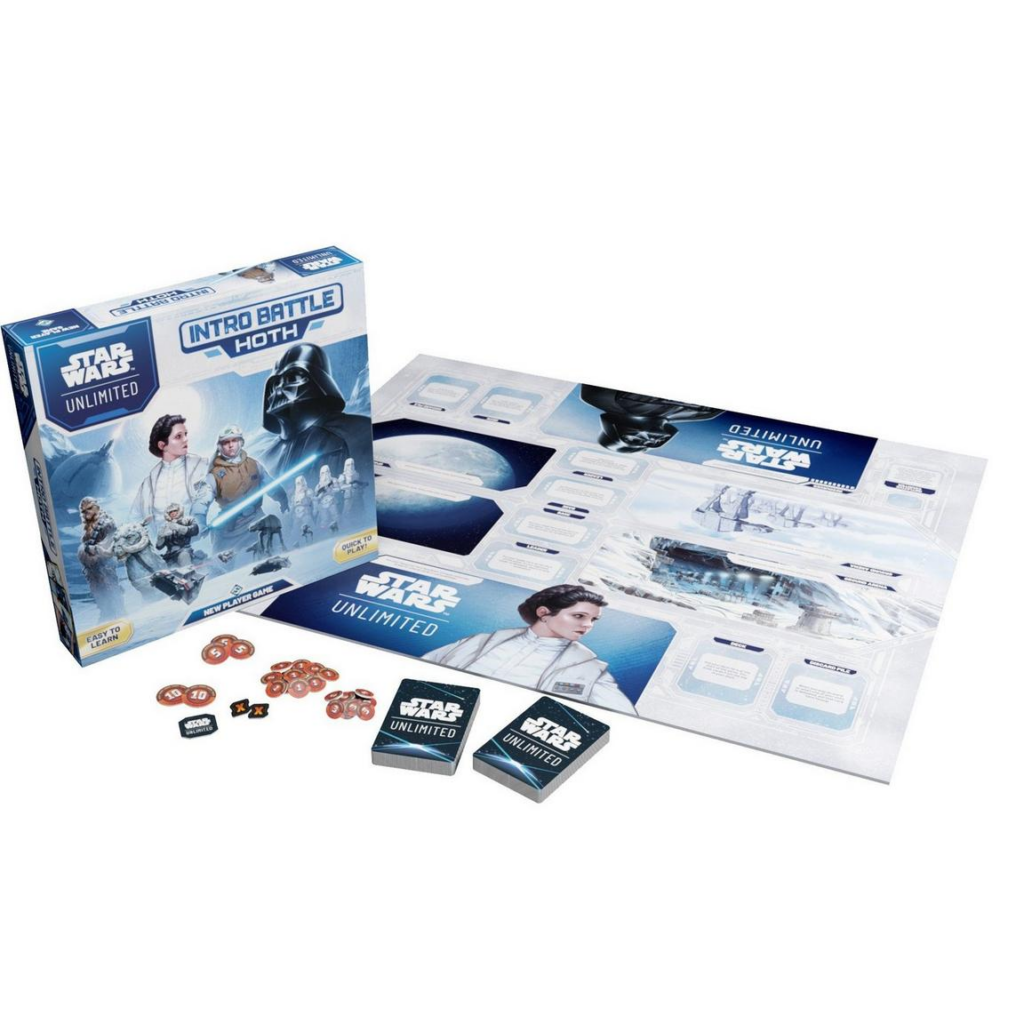
Games now extend beyond the hours spent holding a controller. Characters, worlds, teams, and franchises move into clothing, figures, cards, desk items, and display pieces.
That gives collectibles a different retail role from software. A game purchase is usually tied to playing. A collectible can be tied to identity, nostalgia, fandom. Or the pleasure of owning something physical connected to a digital experience.
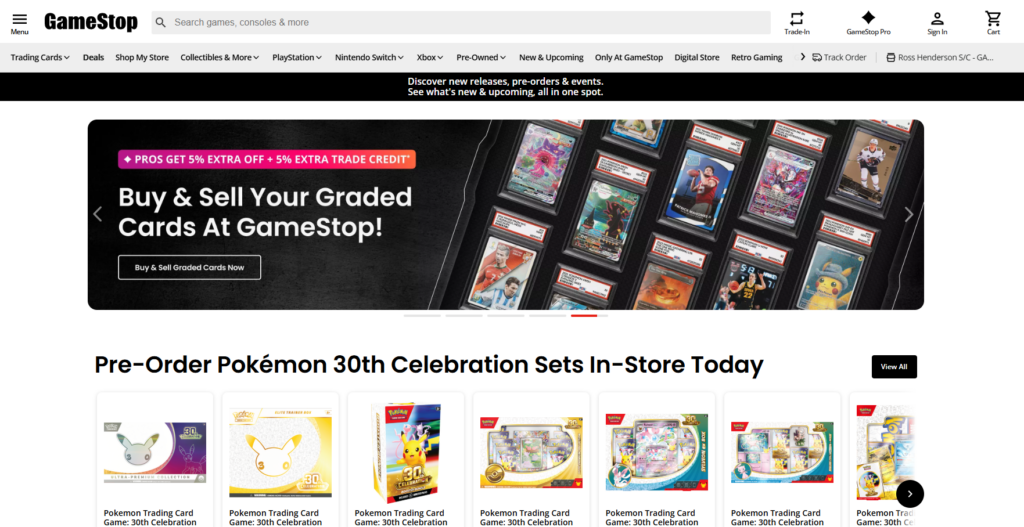
This mix is very visible at GameStop, where video games are there with consoles, gaming accessories, and collectibles. And other entertainment-related products. The important point is what the mix says about the shopper: the same person can be a player, hardware buyer, collector, and gift shopper within a single hobby.
The Useful Role of a Gaming Retailer Is Changing
The clearest adaptation is not a complete move away from physical games or a race to imitate digital storefronts. It is so useful at the points where digital and physical gaming overlap.
A retailer matter when someone needs a controller today. Or wants a boxed edition. Needs replacing hardware, is buying for another player, or wants a physical object connected to a favorite game. Those are different jobs. But they share one idea: modern gaming purchases are fragmented.
The stores that remain relevant, including GameStop, will be the ones that understand the whole setup around play rather than treating the game disc or cartridge as the only important purchase.
What Comes Next for Gaming Retail
A useful way to judge the future of gaming retail is simple. Ask yourself whether the retailer solves a problem the digital store does not. If it helps players choose, replace, compare, collect, trade, or complete a gaming setup, physical retail still has a clear role. The game may arrive through a download, but the experience around it is much bigger than the download itself.