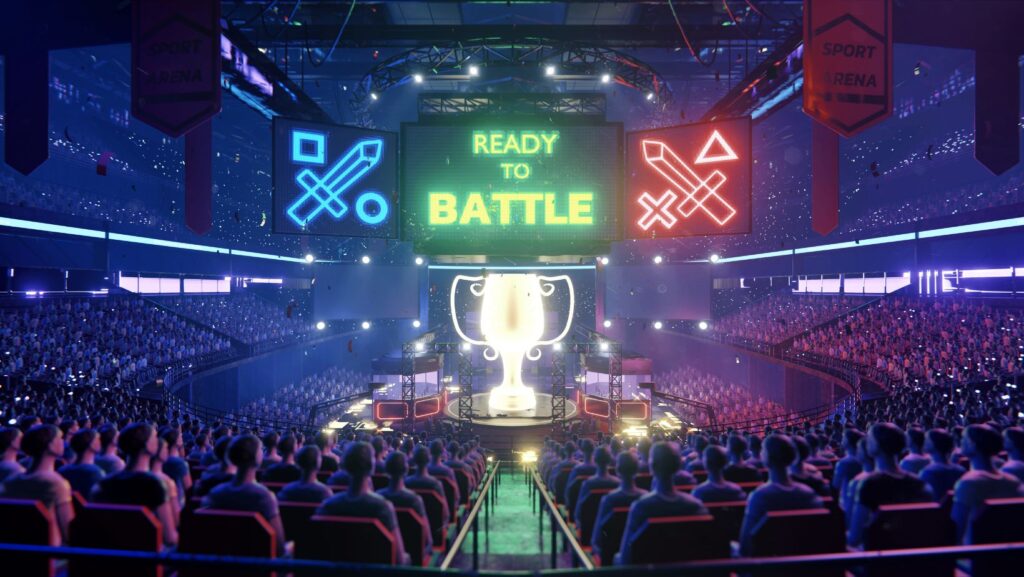
Esports fans no longer just watch matches unfold. They analyze team compositions, track player statistics, and debate strategic decisions before tournaments begin. Professional prediction platforms have emerged to meet this demand, offering detailed match analysis that transforms passive viewing into active learning.
Services like those found at GOCORE provide structured analysis that breaks down upcoming matches through data, performance trends, and strategic context. For fans who want more than highlight reels, these resources build a framework for understanding competitive play at its highest level.
What Professional Prediction Platforms Actually Deliver
Professional prediction platforms compile performance data, recent form, head-to-head records, and meta shifts into digestible match previews. The best services employ analysts who understand game mechanics, team dynamics, and competitive pressure.
What makes these platforms valuable is context. A raw win-loss record does not tell you that a team struggles against aggressive early-game strategies. Expert analysis layers these insights onto statistical foundations, giving you depth that casual coverage skips. A well-constructed match preview becomes a crash course in what to watch for.
This benefits both new fans grasping competitive nuances and experienced viewers refining their understanding. The analysis sharpens your judgment by highlighting factors you might otherwise miss.
How Analysis Strengthens Your Understanding of Strategy
Watching esports without context is like reading a novel in a language you barely speak. You get the plot, but the subtlety disappears. Match prediction analysis changes that by teaching you what matters. You start recognizing why certain draft choices signal aggression, why map selections favor particular playstyles, or how roster changes affect team coordination.
When an analysis explains that Team A historically dominates the mid-game phase while Team B excels at late-game scaling, you gain a mental model for interpreting the match. Early skirmishes become strategic pivots with implications for the entire game. You notice when teams deviate from their typical patterns and can guess whether it is adaptation or desperation.

This deeper literacy makes viewing more rewarding. Matches become puzzles where you anticipate moves, understand trade-offs, and appreciate execution quality. The predictive element is less about being right and more about engaging with the game at a higher cognitive level.
Following Predictions Without Financial Stakes
One common misconception is that match prediction platforms exist solely for wagering. Many fans use these resources purely for education, treating predictions as a way to test their understanding against expert analysis.
You can follow match forecasts as interactive learning. Read predictions, note the reasoning, then watch matches unfold. Compare outcomes against the analysis afterward. Did the expected strategy play out? This reflective process trains your analytical skills without financial involvement.
This approach fits naturally into competitive gaming culture, where strategic discussion is entertainment itself. Professional analysis provides reference points for community conversations, grounding speculation in observable patterns.
The Data Behind Match Forecasting
Credible prediction platforms rely on robust data collection. They track player statistics across dozens of variables: kill-death ratios, objective control percentages, damage output, positioning efficiency. They monitor team performance across patches, noting how meta shifts affect win rates. They analyze historical matchups to identify stylistic advantages.
The methodology matters because it separates informed analysis from speculation. When a platform cites specific performance metrics, recent tournament results, and contextual factors like roster stability or travel fatigue, you get transparency. You can evaluate whether their reasoning makes sense.
Understanding the data also helps you develop your own analytical framework. You learn which statistics correlate with wins, which are misleading, and how context modifies raw numbers. Over time, you become better at reading team form, assessing matchups, and predicting how games might develop.
Community Knowledge and Shared Learning
Prediction platforms often cultivate communities where fans discuss upcoming matches. These spaces become hubs for collective analysis, where casual viewers learn from experienced players and everyone sharpens their strategic thinking. The social dimension matters because esports fandom thrives on shared expertise.
When multiple people analyze the same match from different angles, patterns emerge. Someone notices a player’s recent performance dip. Another points out coaching changes. A third highlights a map pool weakness. Together, these observations create a more complete picture than any individual could generate alone. Professional predictions serve as conversation starters, anchoring discussions in verifiable claims rather than pure speculation.
This collaborative learning accelerates your understanding of competitive play. You absorb insights from people with different backgrounds – former players, data analysts, long-time fans who remember historical parallels.
Building Deeper Engagement
Following match predictions transforms esports viewing from passive entertainment into an active intellectual pursuit. You start caring about matches beyond your favorite teams. You appreciate the craft of analysis itself – the discipline required to parse data, recognize patterns, and make informed forecasts.
Professional prediction platforms facilitate this evolution by providing structure and expertise. They bridge the gap between casual interest and serious understanding, offering tools that help fans engage with esports on their own terms. Whether you follow predictions for learning, for community discussion, or simply to enhance your viewing experience, the value lies in thinking critically about competition and allowing that analysis to enrich your relationship with the games you love.