Board games promise cozy evenings, witty banter, and friendly competition—but sometimes the “friendly” part quietly slips away. Maybe one person gloats endlessly after every victory, or another sulks dramatically whenever a plan falls apart. If this sounds familiar, you’re not alone, and there’s a lot you can read more about human behavior in competitive settings across different types of games. The good news is that with a bit of awareness and structure, most groups can dial down the tension and recover the joy of playing.
In many gaming circles, sore winners and bad losers aren’t malicious; they’re just emotionally invested. Sometimes people carry stress from work, family, or money into the game, and the board becomes a stage where those feelings burst out. Understanding what’s happening beneath the surface is the first step toward managing it calmly and respectfully.
Understanding Sore Winners
A sore winner isn’t just someone who feels happy about winning. They linger on their success, replay every clever move, tease others a little too hard, or treat victory as proof of their general superiority.
Common traits include:
- Loud or smug commentary after the game
- Constant comparison: “I always win at this”
- Diminishing others’ efforts or skill
- Turning a shared experience into a one-person performance
The behavior can be exhausting. Even if they don’t mean harm, sore winners make the table feel less like a shared story and more like a spotlight aimed at themselves.
Often, this comes from insecurity rather than arrogance. Winning becomes a way to prove they’re smart or capable, so they cling to it. Recognizing this can keep you from responding with equal aggression.
Understanding Bad Losers
Bad losers, on the other hand, struggle when things don’t go their way. You might see:
- Visible frustration: eye-rolling, heavy sighs, slamming pieces
- Blaming luck, the rules, or supposed conspiracies
- Complaining that the game is “broken” or unfair
- Withdrawing emotionally, barely engaging in the rest of the session
Underneath, they might feel embarrassment, fear of judgment, or a perfectionist urge that can’t accept failure—even in a casual setting. For some, losing triggers old feelings from school, sports, or family dynamics where mistakes weren’t tolerated.
Again, this doesn’t excuse the behavior, but it helps explain why a simple game can suddenly feel like a psychological minefield.
Setting Expectations Before the First Turn
One of the most effective ways to handle both sore winners and bad losers is to set expectations before anyone touches a die or shuffle of cards.
You might gently state at the start of game night:
- That the goal is shared fun first, victory second
- That teasing should stay light and never target someone’s intelligence or worth
- That everyone is learning, even experienced players, and mistakes are normal
If your group meets regularly, you can even establish a simple “social contract,” something like: We celebrate clever play, accept losses with grace, and remember that we’re here to enjoy each other’s company more than the scoreboard.
It sounds obvious, but putting these norms into words makes it easier to point back to them later when emotions run hot.
Using Game Choice to Reduce Tension
Some games naturally intensify emotions. Highly confrontational designs or long, complex titles where a single mistake ruins hours of planning can push certain personalities into sore-winner or bad-loser territory.
You can dial down the pressure by:
- Choosing shorter games, so a painful loss is over quickly and there’s another chance soon
- Favoring cooperative or semi-cooperative games, where the group wins or loses together
- Rotating between light, humorous games and more strategic, serious ones
- Avoiding games that repeatedly trigger the same person’s worst tendencies
Sometimes the problem isn’t the person alone; it’s the combination of person and game. Adjusting the experience can dramatically change behavior.
Responding to Sore Winners in the Moment
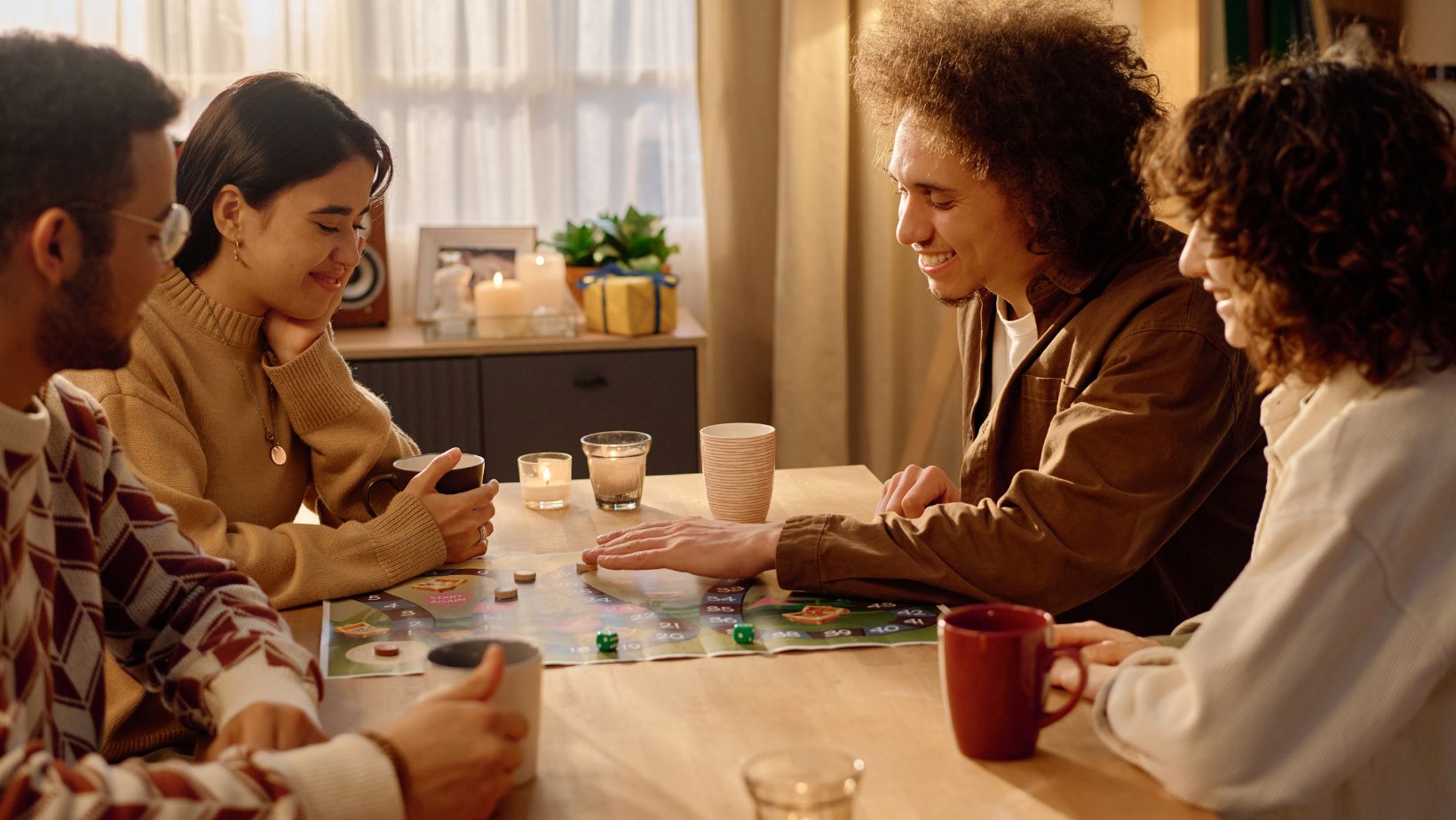
When someone is gloating or endlessly rehashing their brilliance, confrontation doesn’t have to be harsh. A calm, specific comment is usually more effective than simmering resentment.
You might say:
- “Hey, you played really well, but can we ease up on the teasing a bit?”
- “We all want to have fun here, not just the winner.”
- “Let’s talk about what everyone enjoyed, not only who came out on top.”
The key is to focus on the impact (“this makes it less fun for others”) rather than attacking the person (“you’re unbearable”). If you’re the host, you have extra authority to steer the mood. You can redirect the conversation, praise clever moves from multiple players, and gently close the “victory speech” by suggesting the next game or a snack break.
Responding to Bad Losers with Empathy
When someone is sulking or snapping after a loss, the worst response is often public shaming or mockery. Instead, try a mix of empathy and boundaries.
Possible approaches:
- Normalize the feeling: “That was a brutal turn; I’d be frustrated too.”
- Emphasize growth: “Next time we play, you’ll already see the traps coming.”
- Offer a reset: “Want to switch to something lighter next round?”
If their behavior starts to drag down the whole table, you might add a gentle boundary: “It’s okay to be annoyed, but let’s keep it respectful so everyone can still enjoy the game.” This acknowledges their emotions without letting them dominate the atmosphere.
Private Conversations for Persistent Problems
If a friend repeatedly acts as a sore winner or bad loser, a quiet one-on-one chat away from the group can help more than an awkward public call-out.
A few tips:
- Use “I” statements: “I feel tense when the mood gets really sharp after a loss.”
- Describe specific patterns rather than vague judgments: “Often after a game ends, you talk a lot about how others misplayed, and people seem uncomfortable.”
- Reaffirm the relationship: make it clear you’re bringing this up because you value them and the group, not because you want to push them out.
Sometimes people simply don’t realize how they’re coming across. A respectful conversation can be a turning point.
Encouraging Healthy Competition
Ultimately, you don’t have to choose between competitiveness and kindness. A vibrant, energetic board game group can celebrate both.
You can nurture healthier competition by:
- Praising good decisions, clever tactics, and creative plans, not just final scores
- Celebrating close calls where someone almost pulled off a brilliant comeback
- Reminding everyone that luck plays a role in many games—winning doesn’t mean you’re a genius, and losing doesn’t mean you’re incompetent
- Modeling good behavior yourself: congratulate others sincerely whether you win or lose
People often mirror the tone set by the most respected or central members of the group. If those people demonstrate cheerful grace, others will slowly follow.
Closing Thoughts
Sore winners and bad losers are not rare monsters lurking at the edges of board game culture; they’re ordinary people whose emotions sometimes spill over. By understanding the psychology behind their reactions, setting clear expectations, choosing games thoughtfully, and responding with a mix of empathy and firmness, you can transform tense evenings into balanced, enjoyable gatherings.
In the end, a board game night is about more than who scores the most points. It’s about building stories with friends—stories you’ll laugh about later, not arguments you’ll regret. When everyone learns to win with humility and lose with dignity, the table becomes what it was meant to be: a welcoming space where play, connection, and genuine fun take center stage.