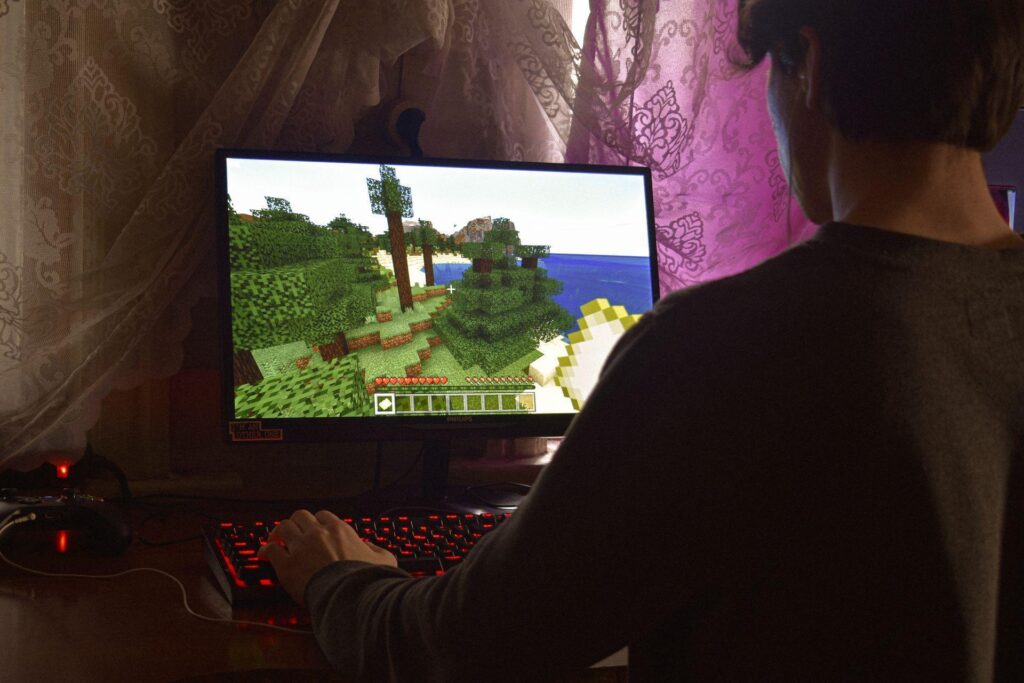
You’re waiting for a coffee when somebody drops a game into the group chat. It looks fun, so you tap the link. Then comes the download prompt, a storage warning, and a password you apparently created four phones ago.
By the time you’ve sorted everything out, the coffee is ready, and you’ve stopped caring. That tiny, familiar annoyance helps explain why browser games have found their way back into people’s routines. They ask less of you. Open a tab, give the game a minute, and decide whether it deserves another.
The Browser Game Never Really Died
Anyone who remembers the Flash years probably remembers the games too. Strange animations. Music that started far too loudly. A school computer that could somehow run a racing game but struggled to open a spreadsheet.
Most of those games weren’t masterpieces. That wasn’t the point. They were there when you had a few minutes to waste, and getting into one rarely took more than a click.
Flash eventually disappeared, but the idea stuck around. Word puzzles, online chess, deck builders, management games and multiplayer titles kept finding audiences through the browser. The graphics got better, connections became steadier, and the old assumption that browser games had to look cheap quietly stopped making sense.
The Browser Is Just the Door
Browser games cover a lot more ground than they used to. A quick puzzle might only ask for a nickname, while a cloud gaming service usually requires a subscription. Card games, multiplayer titles, and other platforms come with their own practical considerations. For real-money games, resources such as Casino Banking Methods can help players compare Australian casino banking options before choosing where to play.
Put all those experiences under the same label and “browser game” starts to sound a little misleading. It tells you where the game opens, not whether you’re looking at a three-minute word puzzle, a strategy match or something that can eat an entire evening. The common thread is simple enough. You’re already in the browser, so the game comes to you.
Your Phone Is Already Full
Take a look at your app drawer. There’s probably a delivery app from a city you visited once, a fitness tracker you opened for three days and at least one game you downloaded while waiting for a flight.
Every new app joins that pile. It wants space, updates, permissions and, if it gets its way, a chance to remind you that you haven’t logged in recently. A browser game usually asks for less. You can try it without deciding what deserves to be deleted first. If it’s good, bookmark it. If it isn’t, close the tab and move on.
That sounds almost embarrassingly basic. Anyone who has spent ten minutes clearing photos just to install something knows why it matters.
Quick Doesn’t Have to Mean Disposable
A short game still has to earn its keep. Opening in seconds means very little if the controls are awkward or the whole thing becomes boring before your tea has cooled.
Puzzle games tend to get this right. A lot of browser-based merge games begin with one obvious action, then slip in just enough strategy to make you wonder whether you could do better on another round.
Chess works for a similar reason. You can play a fast match, leave it there and return later without having to treat the game like a part-time job. Not every break needs a battle pass, a daily challenge and four reminders to collect a reward.
Browsers Got Better While We Were Busy Downloading Apps
The browser you use today is doing far more than the one you remember from the Flash era. It can handle sharper graphics, quick touch controls, and live multiplayer without asking you to install a suspicious-looking plugin first.
Underneath, plenty of the technology behind your favourite games is still doing the heavy lifting. Graphics need rendering. Online sessions need to stay connected. Random outcomes still have to be generated properly.
The difference is that most of that work happens without demanding much from the person holding the phone.
Cloud gaming takes another route. The game runs on a remote machine while the browser receives the stream. It can work well with a decent connection, although anyone relying on unreliable Wi-Fi will quickly spot the catch.
Sometimes a Bigger Screen Just Feels Better
Have you ever tried managing a busy strategy game with one thumb? The screen fills up, the buttons shrink, and suddenly you’re squinting at an army you can barely control.
It’s one reason mobile strategy games played on PC can feel more comfortable. A bigger display gives everything room to breathe, and a mouse is often less fiddly than tapping the wrong icon for the third time.
Browser access makes it easier to move between devices without treating each screen like a separate project. Start on your phone, carry on at your desk, then close the tab when real life interrupts.
A Link Can Turn Into a Game Night
Trying to get several people into the same game can be surprisingly difficult. Someone needs an update, another person has run out of storage, and one friend inevitably downloads the wrong version. Half the evening can disappear before anyone actually starts playing.
Browser games remove much of that friction. Send a link, share a room code and everyone can join from whatever device is nearby. That makes them well suited to quick card games, quizzes and multiplayer puzzles where the fun comes from the people involved rather than impressive graphics.
It also leaves room for spontaneity. Nobody has to decide whether a game is worth installing before trying it. If the group enjoys it, one round becomes five. If the game falls flat, closing the tab takes seconds and somebody sends a different link. Sometimes the easiest game to start is the one people end up playing longest.
There Are Still Ways to Get It Wrong
Convenience falls apart pretty quickly when a game opens behind three adverts, demands an account before showing you anything, or hides useful features behind a subscription you didn’t realise you’d accepted.
Privacy matters too. A browser tab can still ask for personal information, payment details or permissions it doesn’t need. And if the connection drops, a game that depends on being online might simply stop working.
None of that cancels out the appeal. Downloaded games still have their place, especially when you want a long campaign, a polished multiplayer session or something built to push your hardware. But sometimes you have ten spare minutes and no interest in turning them into a setup process. You just want the game to open.