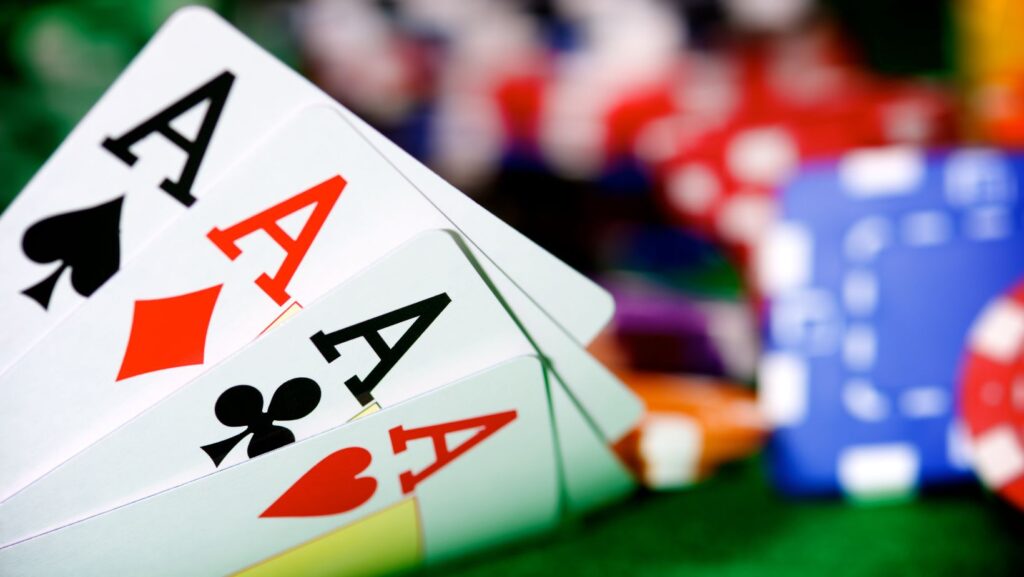
Casinos don't run banner ads about middling withdrawal speeds or a decent help desk. They run 100 percent up to some big round number, because that's the figure people click on. Comparison pages follow, and it makes no difference whether they rank casinos in English or list nettikasinot for readers in Finland: bonus first, everything else in the small columns nobody scrolls to. Odd, when you think about it. The bonus is gone inside a week or two, and what's left is a cashier, a pile of games and a chat window, which is the stuff a comparison ought to have started with.
The licence, and who's checking the dice
Bottom of the homepage, grey text, easy to miss. That's where a licensed casino has to say who licensed it, and under what number. Take the number to the regulator's own website (Malta's Gaming Authority and Britain's Gambling Commission both let anybody search their registers) and it either turns up or it doesn't. Call it three minutes of work.
The padlock people were taught to look for is less help than it used to be (Chrome dropped the icon in 2023 for a small settings symbol), but HTTPS still matters. As for whether the games are straight, that's a job for outside labs. eCOGRA, a London outfit that's been at it since 2003, is one. iTech Labs, out of Melbourne, is another. A casino that passed an audit will usually link to the certificate itself.
Counting games is the wrong math
Lobby size is a vanity number. A lobby of several thousand slots sounds like plenty until it turns out that a good many are the same game in a different costume, which happens, because studios recycle their mechanics. Who built the games is the better question.
The percentage printed inside the game
Every slot has a return to player figure, RTP for short. Say it's 96 percent. Across millions of spins, 96 of every 100 staked goes back out as prizes and the house keeps four, and none of that tells anyone how a Tuesday night will go. Here's what catches people out: plenty of studios sell one slot in several RTP versions, and the casino picks. Same title, same artwork, slightly worse return at one site than at the next.
Where the money waits
Deposits? Seconds, almost everywhere, so there's nothing to compare. Cashing out is another story, and it has two clocks. The first is the casino's own, because somebody in its payments team has to approve the request before anything moves. Then the bank or the wallet takes over. An e-wallet will usually pay up fast once the casino lets go, whereas a card refund or a wire can drag on for several business days.
A cashier page that separates those two clocks is being straight with its customers. Check the currency while there. If the account can't be held in the player's home currency, a conversion fee gets skimmed on the way in and again on the way out.
ID first, payout second
Sooner or later a licensed casino asks for a passport or driver's license and something with an address on it. That's KYC, know your customer, and no payout happens without it. The catch is timing. Some casinos get it done at sign-up. Others leave it until the first withdrawal, and then the money sits while scans go back and forth. Payout ceilings are in the terms as well, and they're all over the map.
After the honeymoon offer
Once the welcome deal is used up, what's on the table is the routine stuff: a reload bonus, some cashback, a tournament now and then. Whether any of it is worth a second look comes down to wagering. Say a bonus of 100 euros carries a 35x requirement: that's 3,500 euros of bets before a cent of it can be withdrawn. Some casinos count the deposit in as well, which on a 100 percent match makes it 7,000. Same headline, twice the work.
Then the footnotes. A spin on a slot usually counts in full toward that target, but a hand of blackjack might count for a tenth, or not at all. Bet too big while bonus money is in play and the bonus can be voided. There's a deadline, too.
Try the help desk before needing it
Every casino says its support never sleeps. Maybe so. The contact page is where that claim gets specific, or doesn't: is there a phone number, or only a chat bubble, and do the hours actually say 24/7? Language is where it frays. A site can be translated into a dozen tongues and answer chat in English only.
The cheap test is to ask a dull, specific question before opening an account, like how many days a bank withdrawal takes. A straight answer with a number in it is a good sign. Three pasted paragraphs from the FAQ, not so much.
On a six-inch screen
Plenty of casinos skip the app store and run in the phone's browser. Others have an iOS or Android app as well. A game that's on desktop is missing from the mobile lobby, say, or the ID upload refuses to cooperate with a phone camera. Live dealer tables expose weak mobile design fastest, since the stream has to hold on a cellular connection while the chips stay within reach of a thumb.
The clauses about quiet accounts and limits
Buried in the general terms is usually a dormancy clause. Leave an account untouched long enough (twelve months is a common trigger) and some operators start shaving a monthly fee off the balance.
The brakes are kept nearby. A deposit limit, a loss limit, a reminder that pops up mid-session, a time-out, full self-exclusion. Gambling is paid entertainment, the house edge being the price of admission, and these tools are how a budget for it gets enforced. Licensed casinos all have them, though finding them can take some hunting. Two taps in the account menu at one place, an email to support in the next. Cutting a limit generally kicks in at once. Raising one comes with a wait.