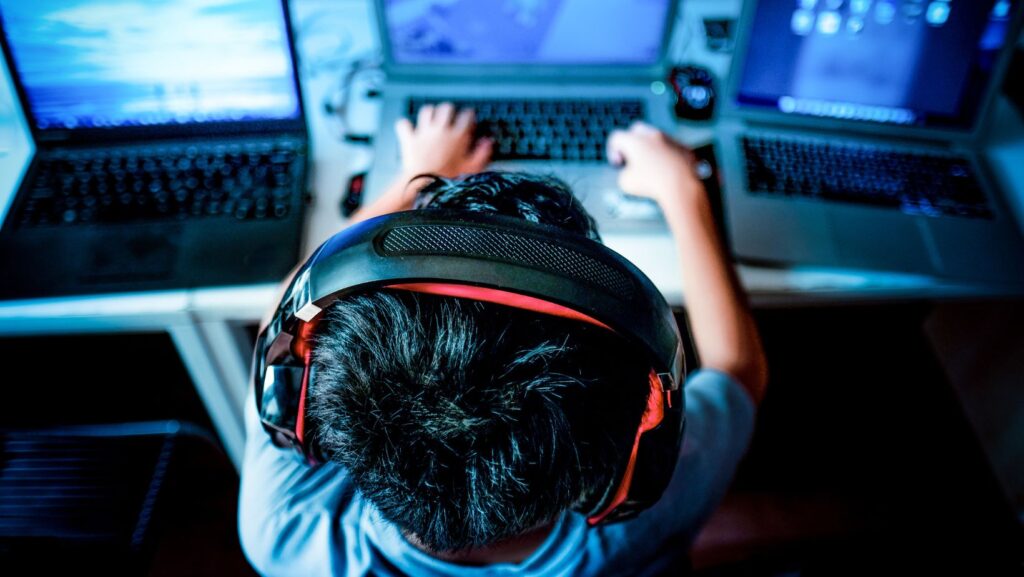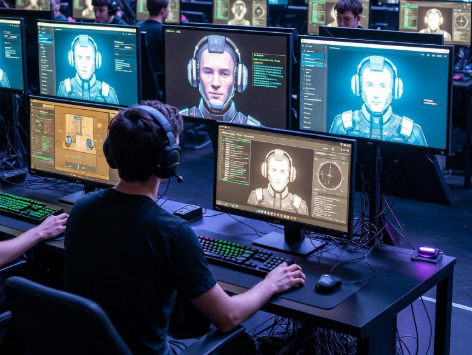
The esports industry is enormous. AI coaches are changing how gamers practice by analyzing their play and giving guidance. These AI mentors provide custom feedback that can enhance your skills. Think of a coach who examines every match, finds your weaknesses, and recommends solutions immediately. That’s what AI offers to esports today.
Gaming has always been about tech. AI is changing how gamers train. These new tools can actually help you get better at games like League of Legends or Valorant. It’s like having a smart coach that spots what you need to work on. And here’s something interesting- esports is starting to connect with cryptocurrency too. With crypto, players can make quick payments for in-game items, place bets, or try crypto slots. The best part? You can use Bitcoin or Ethereum to play anonymously and get your winnings fast. If you’re curious about how these fit into the bigger picture, the source is esports.net, which breaks down top sites and why they’re gaining traction among gamers looking for that extra edge in the digital economy.
The Rise of AI in Competitive Gaming
AI’s involvement in esports began with basic stats tracking. Presently, companies create complex systems that function as virtual coaches. Machine learning tools can now analyze hours of video quickly, spotting patterns that people could overlook. This change comes from the need for accuracy in a field where quick choices are important.
Pro teams still use human coaches, but AI supports them with data-based feedback. It acts as an extra set of eyes, or algorithms, on performance. As esports expand, so does the need for these bots. They help people by letting players focus on strategy while AI handles detailed analysis.
A main reason for this is availability. Since not everyone can pay for a personal coach, AI tools are often accessible through apps, making high-level training more widely available. This creates a fairer environment, especially for new talent in regions without major esports structures.
How AI Coaches Actually Work
At their core, AI coaches rely on advanced tech like computer vision and deep learning networks. Take Omnic.AI, for example. It scans your screen in real-time, recognizing actions and suggesting improvements. It’s like a hawk-eyed assistant whispering tips during your match. These systems process vast amounts of data from player movements to enemy patterns using neural networks trained on thousands of games.
Then there’s the feedback loop. After a session, the AI generates reports. Missed a crucial shot? It explains why and how to fix it. Tools like iTero, tailored for League of Legends, offer actionable insights such as optimal build paths or positioning advice. They even simulate scenarios, letting you practice against virtual opponents that mimic real pros.
But it’s not all magic. These bots learn from you, too. The more you play, the better they get at personalizing advice. Integration with hardware is another angle. Razer’s recent project at CES 2025 promises real-time analysis through peripherals, turning your mouse and keyboard into data collectors. Imagine getting vibration alerts for bad habits mid-game. Wild, right?
Key Benefits of AI Coaches
Modern esports teams are turning to AI coaches for good reason. These digital assistants offer some clear benefits that traditional coaching can’t match. Let me break down why they’re becoming so important.
- Better Training: These tools look at how you play right away, cutting down on mistakes. This way, you can get better quicker, especially when game strategies change a lot.
- Feedback Just for You: Instead of general tips, these tools give advice that fits your game style. They can find small problems, such as slow reaction times, that can change how well you do in a competition.
- Available to Everyone: These affordable apps make professional coaching available to everyone. This helps amateur players and those in areas that do not have access to expert human coaches.
- Supports Mental Health: These tools give useful feedback without judging, which helps prevent burnout. They focus on getting better as a player and give advice in multiple languages to help players everywhere.
- Gives You a Strategic Advantage: In team games, these tools can guess what will happen based on team makeups. This helps with choosing characters and exploring with real data analysis.
- Works with Other Systems: These tools link to bigger game trends, such as using crypto for safe in-game money systems, which makes playing the game better overall.
Real-World Examples and Success Stories
Have you seen Squid Academy’s AI coach? It keeps track of your stats from game to game and creates personalized training just for you. Gamers are saying they’re climbing the ranks quicker, and some professional players give it credit for their tournament wins. Then there’s Razer’s AVA project. They want to build AI right into everyday gaming gear for coaching that feels effortless.
In single-player games that are turning into esports, like Black Myth: Wukong, AI guides pop up with live tips during tough boss fights. This really mixes up casual and competitive play. Traditional sports are watching closely too. They’re adopting similar AI to study athletes’ movements. Esports is definitely leading the charge here.
Conclusion
Competitive gaming is changing for the better with AI. These smart systems bring more intelligence, fairness, and excitement to the table. As technology advances, they might even work with VR or metaverse experiences. Gamers who welcome these digital partners have a lot to look forward to. It doesn’t matter if you’re a beginner or an expert. AI can help improve your skills. Why not try it and see how it works for you?